Character database
Defect
Returning orb system and engine planning
Defect pages should focus on how orb support, scaling setup, and matchup counters differ from the original game.
Engine and orb scaler
Medium
Players who enjoy setup-heavy decks
Returning-player warning
Defect habits transfer, but exact orb density and support cards should be treated as patch data, not memory. Returning players already know that Defect can become an engine character; the sequel question is how quickly that engine starts and which fights punish the setup turn. This page stays conservative until enough run evidence shows what is repeatable.
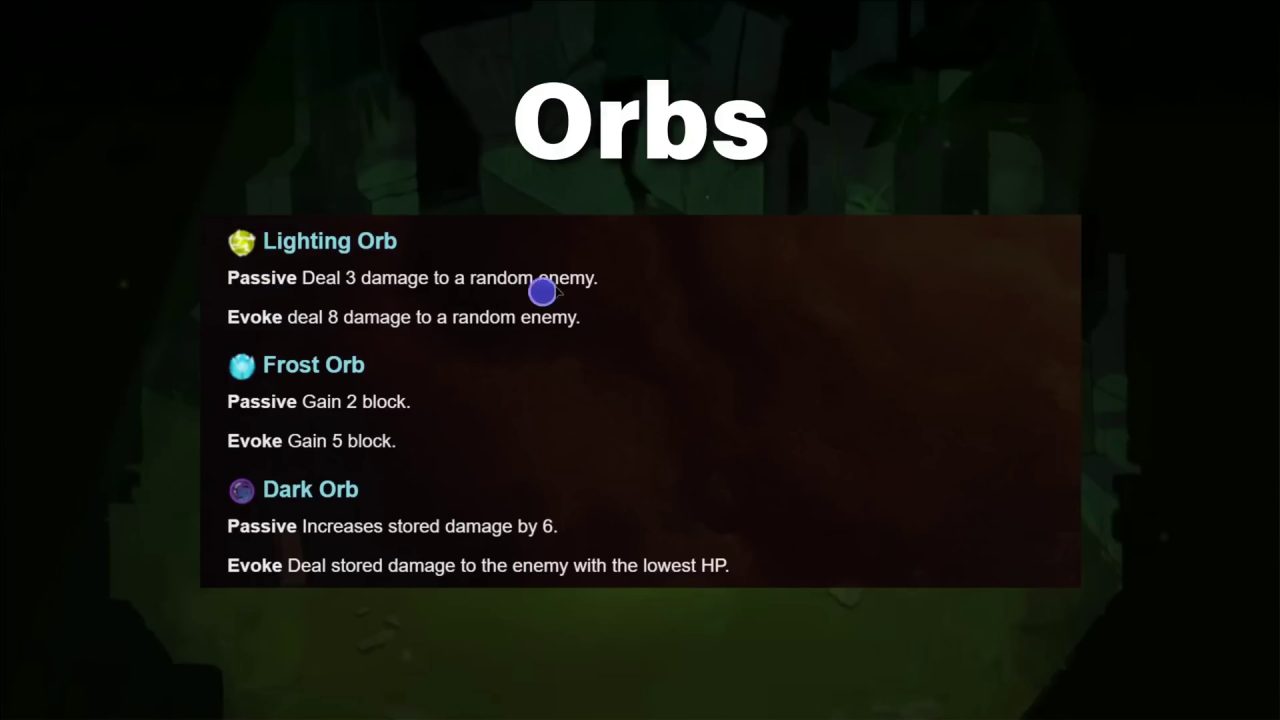
Engine before payoff
Defect decks often tempt players into drafting payoff before the deck can consistently produce the resource, orb, draw, or block support required to use it. A setup-heavy card should be judged by how often it works on a bad draw, not how impressive it looks after the engine is complete.
- Prioritize cards that stabilize the first two turns of dangerous fights.
- Check whether the deck can block while spending energy on setup.
- Treat old Defect instincts as hypotheses until sequel footage confirms them.
Orb setup threshold
A Defect engine is not online just because the deck has an orb payoff card. The safer threshold is whether the deck can create a useful orb state, draw or find the payoff, and still block during the setup window. If one of those jobs is missing, treat the deck as a normal damage-and-block deck until the support appears.
- Generation: the deck can create relevant orbs without spending the entire turn.
- Survival: the deck can block or kill while the orb state is still weak.
- Payoff access: the deck can find Quadcast-style payoff before the fight is already lost.
Bad-hand recovery rules
Defect advice should always ask what happens when the opening hand has payoff without setup, setup without block, or scaling without damage. A good current-patch Defect deck has a recovery line for those hands: plain attacks, practical block, cheap orb generation, draw, or a potion plan.
- Payoff without setup: play the fight like a basic damage deck until the orb state is real.
- Setup without block: defend first unless the enemy can be killed immediately.
- Scaling without damage: add front-loaded damage before taking another slow engine card.
Early boss and elite checks
Before raising Defect confidence, check whether the same plan survives the first elite and the first boss preparation window. Slow engines are acceptable only when the route gives enough hallway fights, upgrades, potions, or defensive cards to reach the payoff without bleeding too much HP.
- Upgrade or potion support can make a slow setup card safe for one fight, not every fight.
- Boss prep should ask whether the deck wins before defense runs out.
- If the first elite punishes setup turns, draft immediate coverage before another payoff.
What evidence should update Defect rankings
Defect tier movement should come from repeated examples of the same engine surviving early fights, not from a single broken final-boss clip. Useful videos show the first act, the first elite, the first awkward hand, and the moment the deck becomes reliable.
- Raise confidence when multiple runs show the same startup pattern.
- Lower confidence when a win depends on rare relics or unusually kind fights.
- Add matchup warnings when bosses punish slow setup or low front-loaded damage.
Tier-board advice needs startup checks
Defect tier-board footage is useful for naming cards that deserve follow-up, but the guide should not move live advice from a letter grade alone. A card such as Quadcast can look powerful in isolation; the page still needs to ask what orb state, draw pattern, and fight timing make the pick reliable.
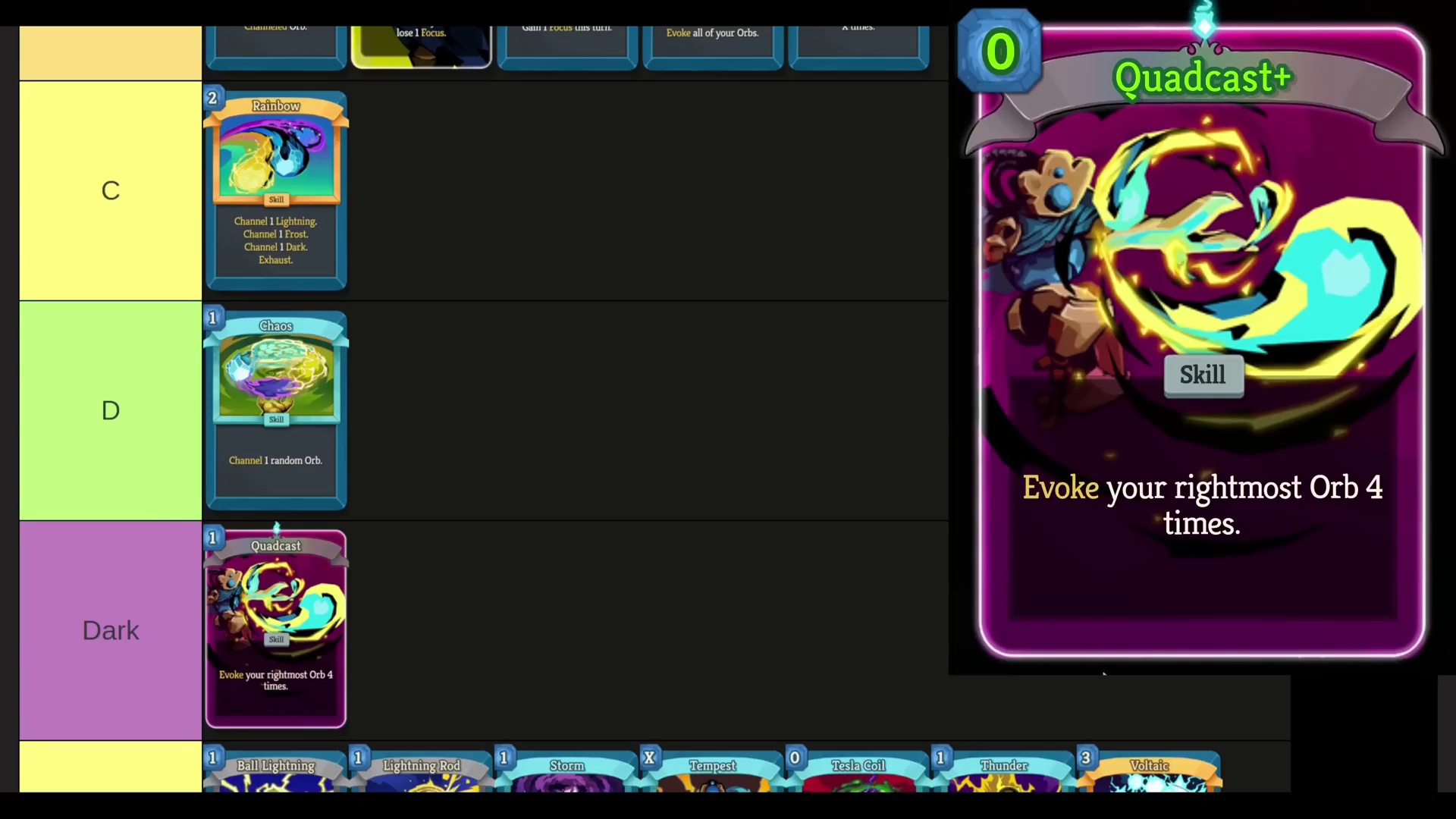
- Treat tier-board screenshots as review prompts, not final proof.
- Ask what the card does before the orb engine is fully online.
- Move card notes only after combat footage confirms the same decision pattern.
Archetypes should not replace turn-by-turn proof
Advanced Defect runs are most useful when they show how the player navigates ordinary turns rather than simply naming an archetype. The guide should capture how the deck blocks while setting up, when it spends energy on orb generation, and which turns force a practical attack instead of a greedy engine piece.
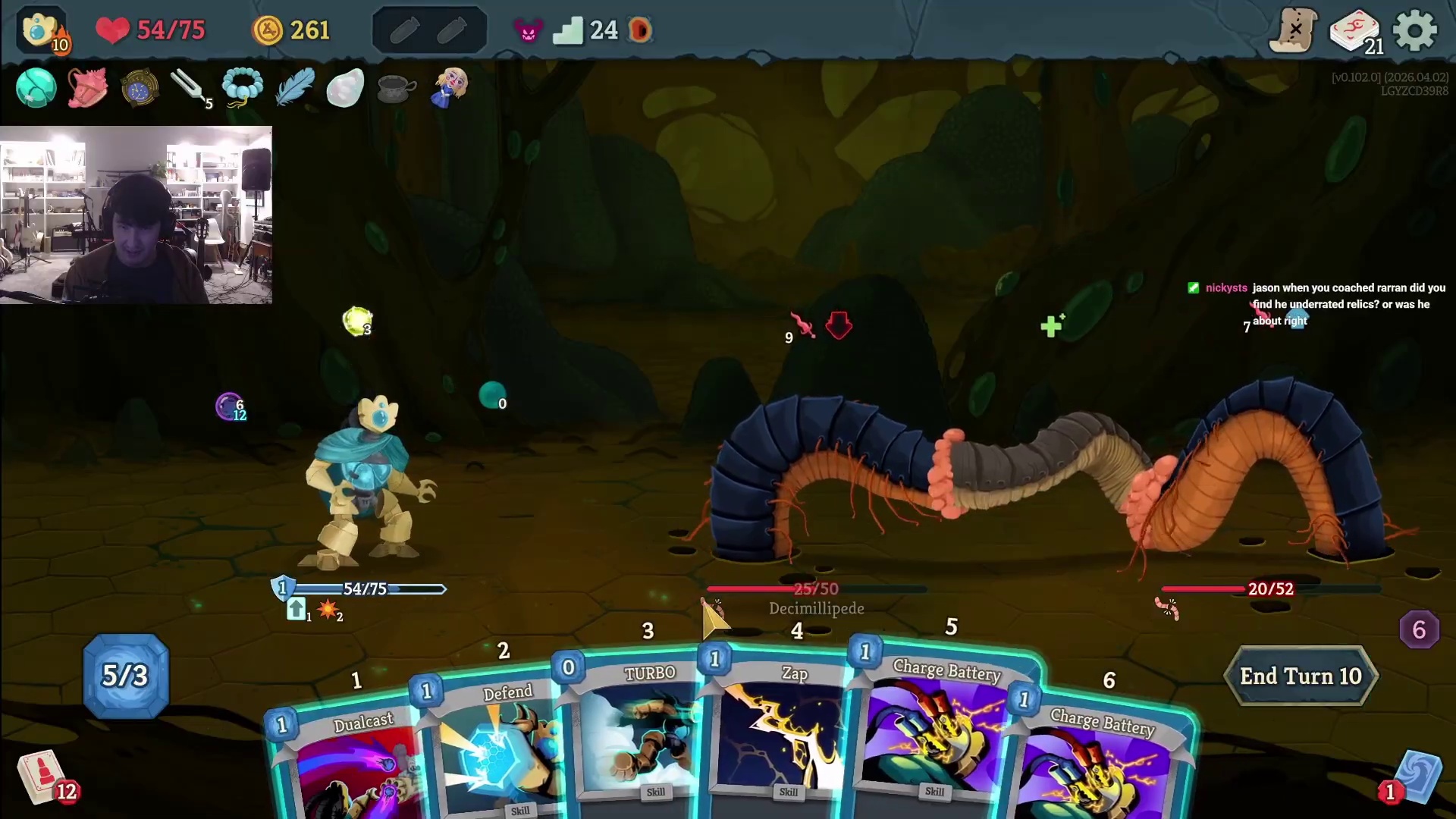
- Use combat clips to show how the engine survives incomplete hands.
- Separate orb vocabulary from the actual cards that stabilize the run.
- Add matchup caveats when setup turns are punished by the next fight.
Beginner Defect builds start with survival
Beginner-oriented Defect footage is valuable when it shows the uncomfortable early fights. A low-health combat frame says more than a finished combo: the deck needs plain damage, practical block, and enough orb output to survive before the exciting engine card becomes correct.
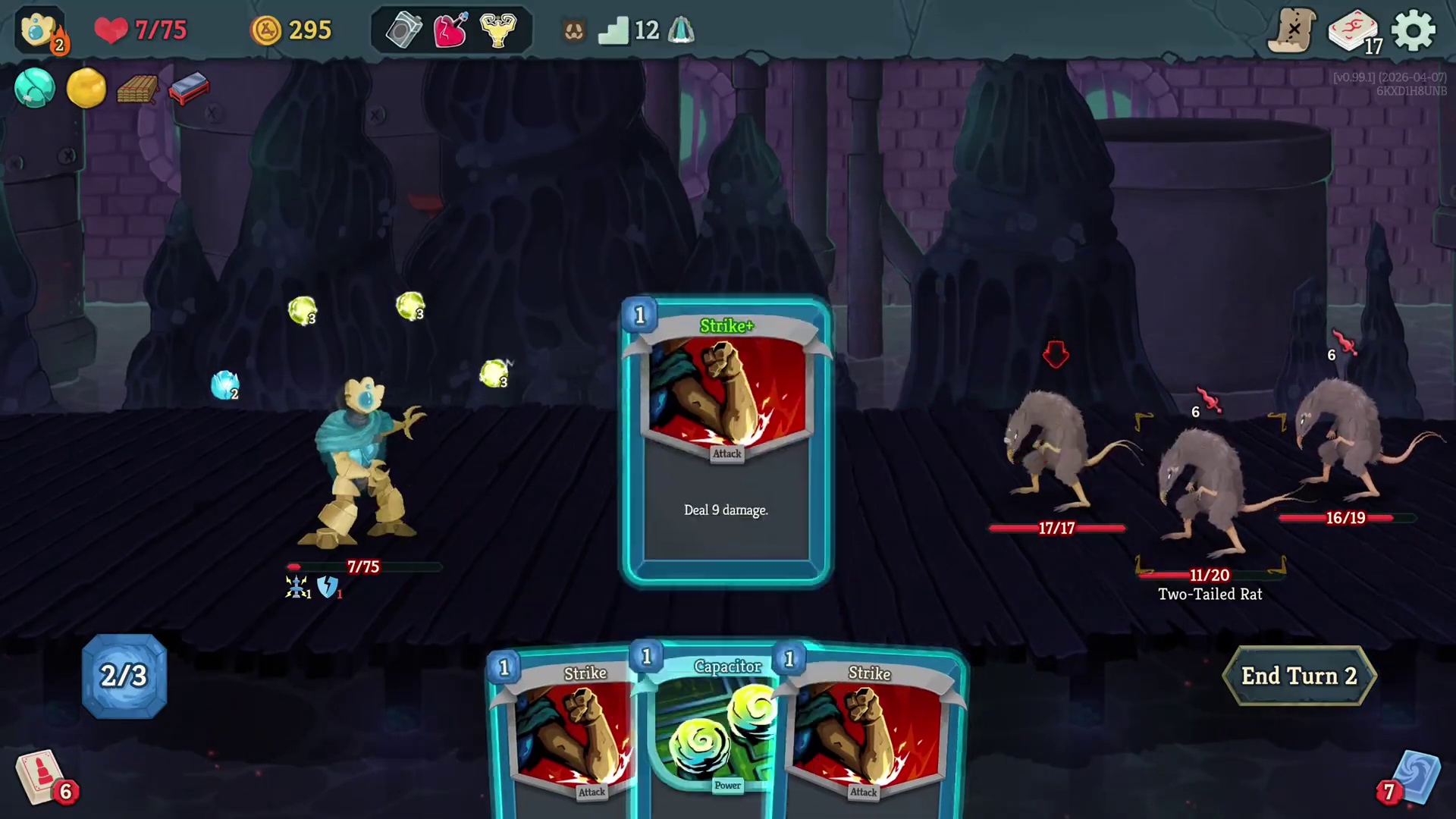
- Capture low-health examples to explain why early block and damage matter.
- Use beginner footage to translate orb decisions into simple fight jobs.
- Warn returning players when familiar engine picks are too slow for the current route.
Build tips need a first-two-turn test
Defect build-tip videos should be converted into a simple stress test: what does the deck do on turns one and two before the orb engine is comfortable? A tip is worth promoting when it helps the deck block, attack, or produce the right orb state before the payoff card arrives.
- Mark tips as safe only when they improve bad opening hands.
- Separate scaling advice from early-fight survival advice.
- Use boss footage to check whether the same build plan still works under pressure.
Strange Defect builds need a cause-and-effect breakdown
Videos built around the question of why a Defect deck worked are useful because they force the guide to explain the actual engine. The page should name the support pieces, the defensive bridge, and the moment the deck becomes reliable instead of describing the run as simply broken.
- Identify the card or relic that turns an awkward plan into a real engine.
- Show what the deck does before the payoff loop is assembled.
- Add warnings when the same idea depends on rare support or gentle fights.
Starter-tip videos belong in the opening route checklist
A Defect beginner guide can serve returning players when it focuses on opening-route decisions instead of generic advice. The guide should capture early reward choices, when to accept a setup card, and when plain damage or block is still the correct pick.
- Turn first-act examples into pick-condition rules for the character page.
- Connect beginner advice to the Defect build guide and boss prep pages.
- Keep old-game assumptions out of recommendations until current footage confirms them.
Wrong Defect habits need explicit warnings
A beginner video about playing Defect wrong is valuable because returning players can bring old instincts into the sequel. The guide should name the mistake, explain why it fails in the current reward pool, and show the safer replacement decision for the next fight.
- Name the old habit before explaining the sequel-specific problem.
- Pair every warning with a safer draft, route, or combat decision.
- Keep setup-heavy picks caveated until early fights prove they are safe.
First-run Defect footage is returning-player evidence
A first-run deep dive is useful because it captures what an experienced player notices before the meta is solved. The page should preserve those observations as hypotheses: which mechanics feel familiar, which fights punish old habits, and which cards need more run evidence before the guide sounds confident.
- Record first-run observations as hypotheses, not final rankings.
- Highlight where sequel pressure differs from first-game memory.
- Link confirmed lessons into strategy, boss prep, and card tier pages.