Versioned tier list
Slay the Spire 2 Relic Tier List
Relic rankings by energy, consistency, build fit, boss pressure, and character synergy.
Relics change the price of every future pick
A relic tier list should explain what the relic changes. Energy relics can make expensive cards draftable. Sustain relics can make dangerous routes realistic. Shop relics can turn gold into tempo. The first question is not whether a relic is exciting; it is which future decisions become safer or more profitable after taking it.

- Energy and draw relics usually affect card rankings immediately.
- Sustain relics should be judged by route pressure and current HP risk.
- Narrow synergy relics need clearer support before they deserve high ranks.
Buying relics is a matchup decision
A relic bought in a shop is not only competing against other relics. It is competing against card removal, potions, and the ability to solve the next boss or elite. Video review is especially useful here because it shows the whole shop screen and the route after it, not only the relic tooltip.
- Prefer relics that solve a real weakness in the current deck.
- Do not spend gold on future upside if a potion or removal solves the next fight.
- Record when a relic changes pathing, rest-site choices, or boss-prep upgrades.
How to read S, A, B, C, and D relic tiers
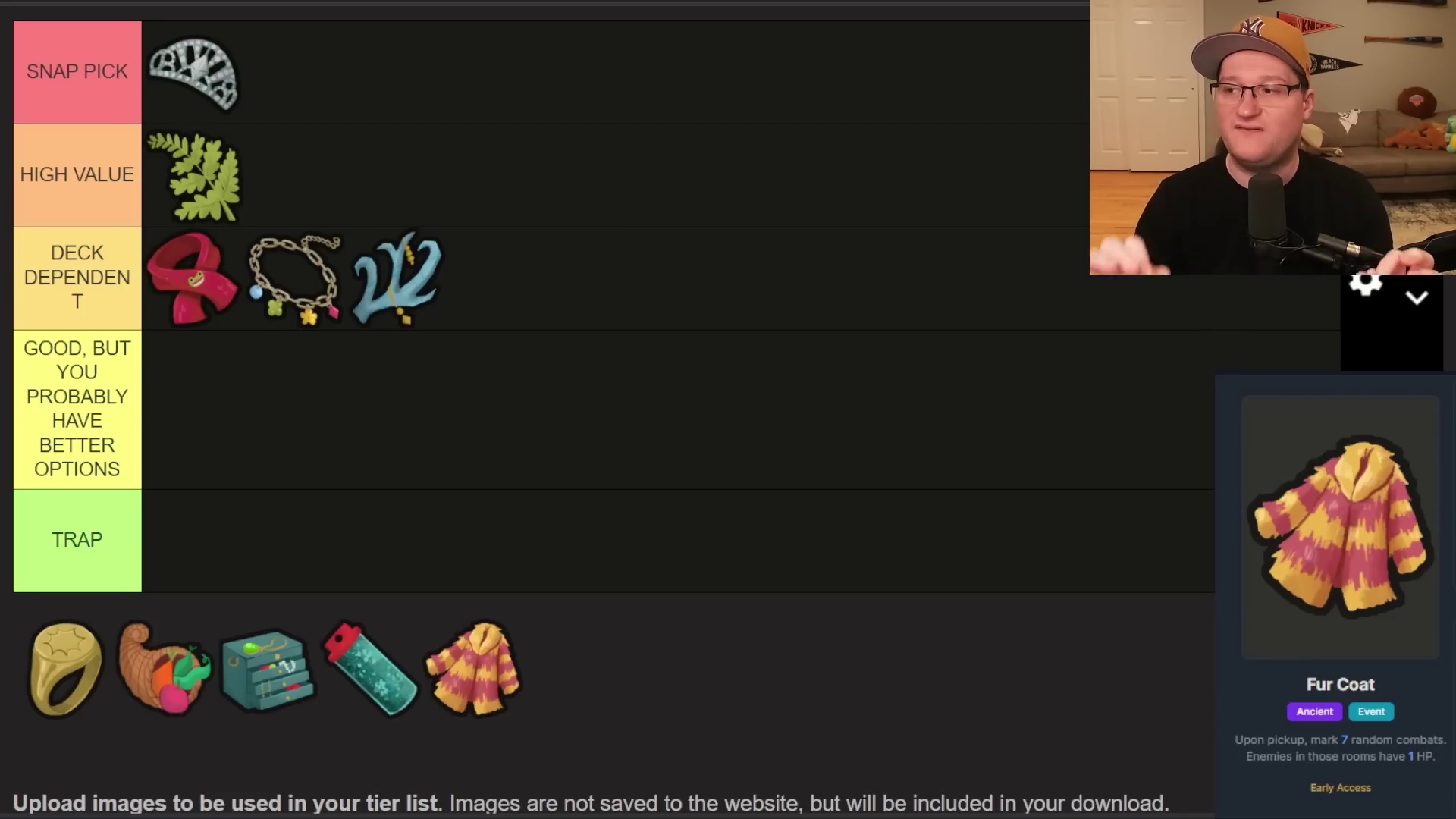
Treat each letter as a decision rule, not a permanent Early Access verdict. S-tier relics are rare default priorities only when they immediately change what the deck can afford, route, or survive. A-tier relics are strong when the current deck can use the effect before the next boss check. B-tier relics are useful but need a clear route, shop, or character reason. C-tier relics are review-lane picks that should not drive a run plan by themselves. D-tier is a hold label for relics or families that need cleaner tooltip, patch, or combat proof before the site should recommend chasing them.
- Move a relic up when it changes the next elite, boss, shop, or rest-site decision.
- Move a relic down when its payoff arrives after the current act pressure window.
- Use C and D as caution labels during Early Access rather than as insults to a relic family.
Boss, act, and pathing implications
Relic strength changes with the map. In Act 1, a relic that protects early elites or keeps upgrades available can be worth more than a slow engine. Before Act 2 and Act 3 bosses, the question shifts toward bad-hand recovery, scaling, sustain, and whether the relic helps the deck answer the known danger window. A relic ranking should therefore explain what path becomes available after the pickup, not only which letter looks best on a board.
- Act 1 values immediate damage, block, sustain, and safe elite paths.
- Mid-run rankings should ask whether the relic preserves upgrades or forces rests.
- Late-run rankings should ask whether the relic improves scaling, bad-hand recovery, or boss safety.
Use relic rankings as a checklist
The practical use of this page is not to copy a letter grade blindly. Start with the current deck problem: energy, draw, sustain, damage speed, scaling, economy, or setup safety. Then check the next map node and boss requirement. A lower-tier relic that fixes the real problem can be correct, while a higher-tier relic can be wrong if it asks the deck to survive several more rewards before paying off.
- Name the deck problem before reading the tier label.
- Check the next fight window before taking a speculative relic.
- Revisit the ranking after each balance patch or new verified source pass.
Shop relic tiers need gold-aware rules
Shop relic tier footage is useful because it ranks a relic against the gold that could have bought removal, potions, or another upgrade path. The article should translate every buy tier into a run rule: what the relic solves, what the deck gives up to buy it, and which next fight makes the purchase urgent or skippable.
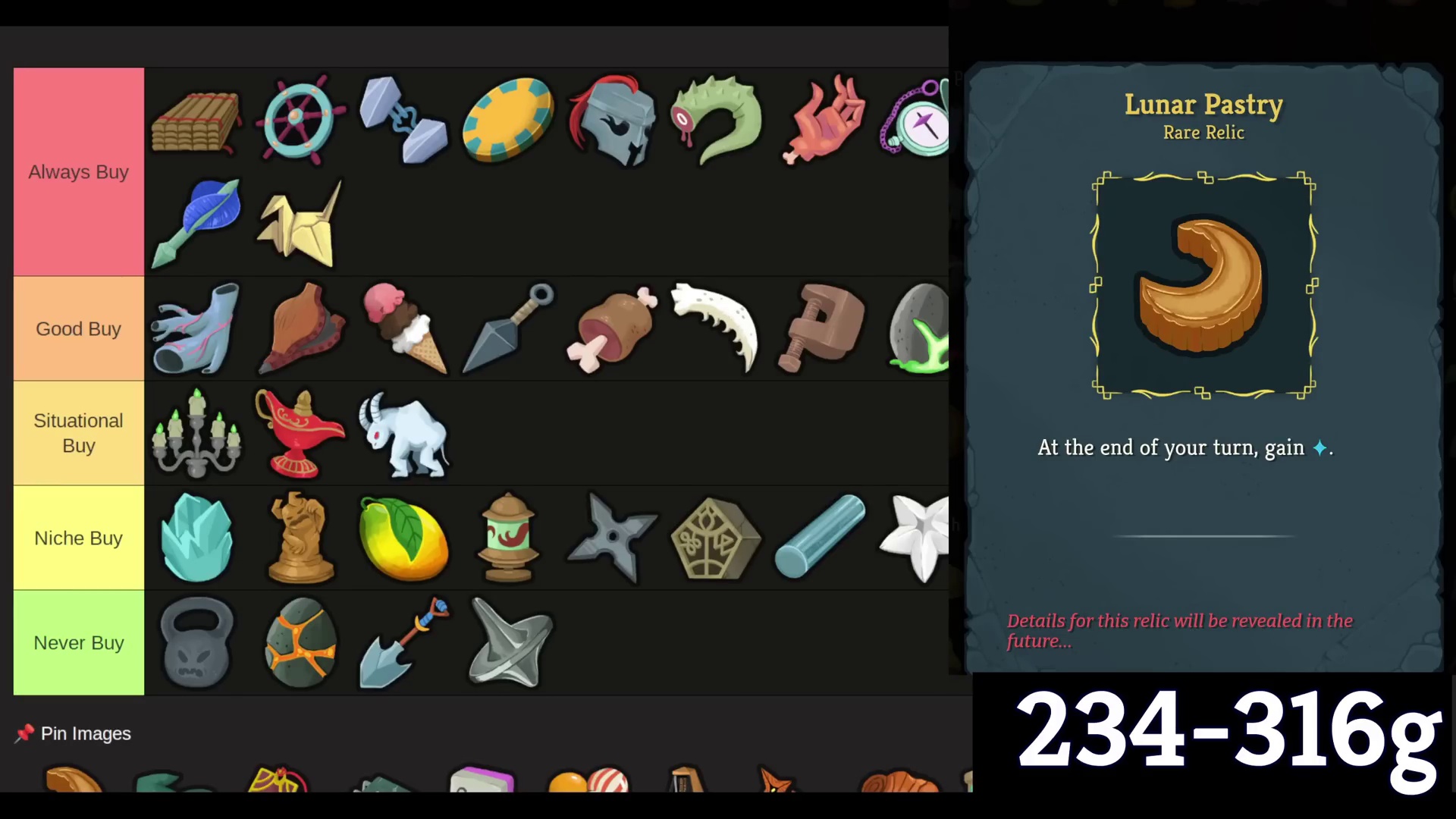
- Convert every buy tier into a reason readers can apply in a shop.
- Compare relic purchases against card removal, potions, and route pressure.
- Mark relics that are strong in rewards but too expensive for the current shop.
Starting offerings belong in a separate lane
Neow and ancient offering footage should not be mixed directly into normal relic rankings. Starting offerings are judged before the deck has path information, card rewards, or boss context, so the guide should evaluate them by opening stability: how much they improve the first three fights, how much risk they add, and whether they create a clear plan before the first shop.
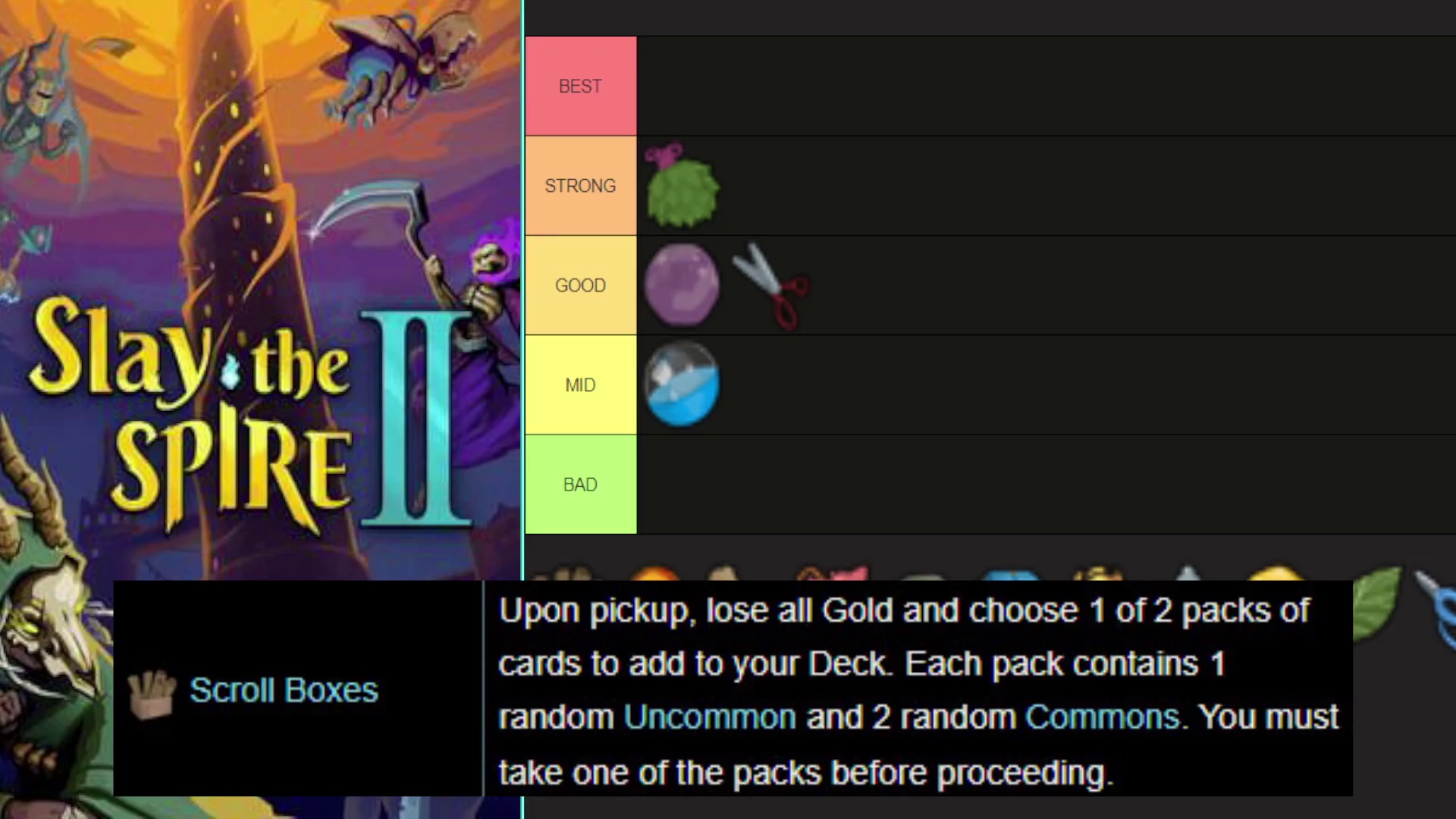
- Separate opening relic value from mid-run relic value.
- Record the downside or opportunity cost before ranking a starting offer highly.
- Connect starting-offer advice to returning-player first-act routing rules.
Ancient relic boards need family labels
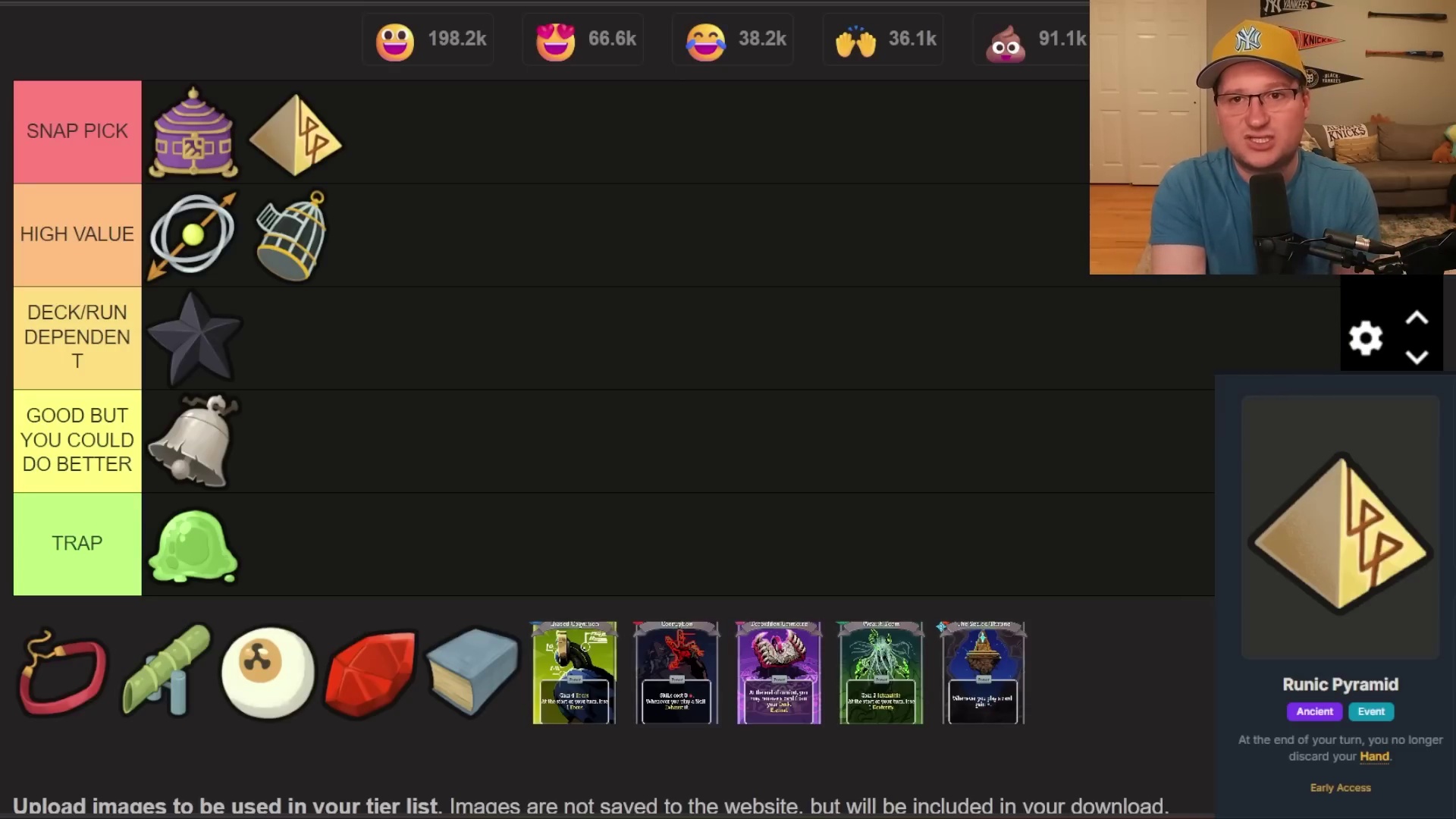
Large ancient-relic tier boards should be split into families before they affect live rankings. Some relics change energy, some change draw, some change route risk, and some only matter when a character already has a specific engine. The relic tier list should explain the family first, then the tier.

- Split ancient relics by what decision they change: energy, draw, sustain, route, or synergy.
- Use family labels before broad S/A/B movement.
- Route narrow synergy relics into character pages before raising global ranks.
Neow relics are opening-risk tools
Neow relic and blessing footage belongs in its own opening-risk layer. A reward that is excellent on floor one may not be a strong mid-run relic, and the reverse can also be true. The page should judge these choices by how they change early fights, pathing, and the first shop rather than by late-game ceiling alone.
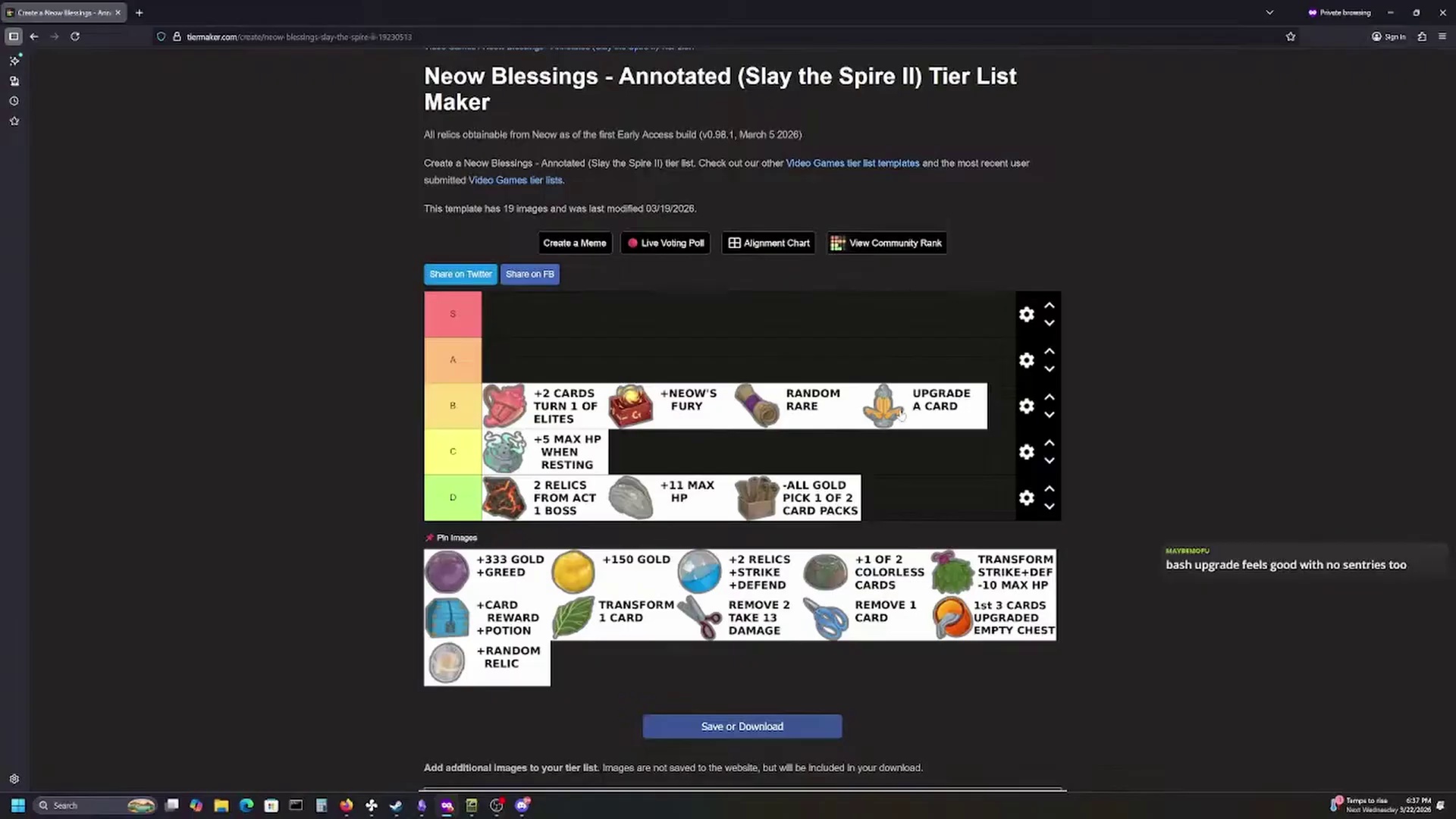
- Score Neow choices by floor-one stability before late-game upside.
- Keep starting blessings separate from ordinary reward relics.
- Link high-risk starts into returning-player route guidance.
Shop relics need buy windows
Shop-only relic footage should describe a buy window instead of a static grade. A relic can be high value but still wrong if removal, a potion, or another relic solves the next fight more directly. The guide should describe when the buy is urgent, when it is optional, and when it is a trap for the current deck.
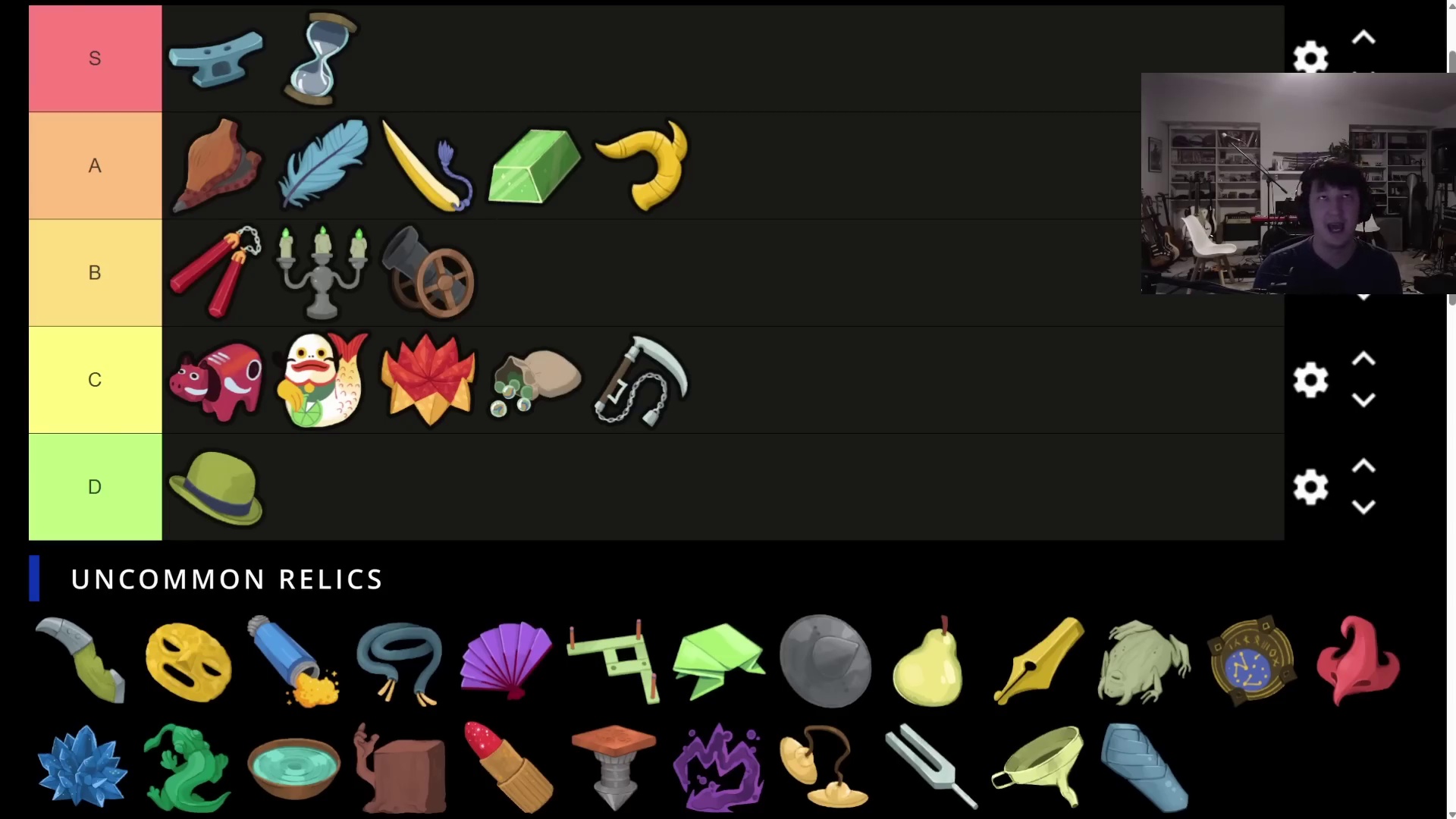
- Write buy advice against the next fight, not only against the relic tooltip.
- Compare every expensive relic with removal, potions, and route pressure.
- Mark shop relics that are strong only after the deck already has stability.
Relic-family pages can target long-tail searches
Family-specific relic videos are useful for long-tail SEO because players search by named groups, not only broad tier lists. Darv-style relic footage can support a future family page while the current tier list records the general rule: what the family tends to solve and which decks should care.
- Use family videos to create future relic-group page tasks.
- Capture named relic examples without overfitting the global ranking.
- Link family-specific advice to character pages that actually use those relics.
Named relic families need different jobs
A family label is not enough to rank a relic. Pael-style defensive relics, Tanx-style damage relics, and Tezcatara-style engine relics should be judged by different jobs: survival thresholds, fight speed, or payoff timing. The tier list should show which job the family usually performs before assigning a global grade.
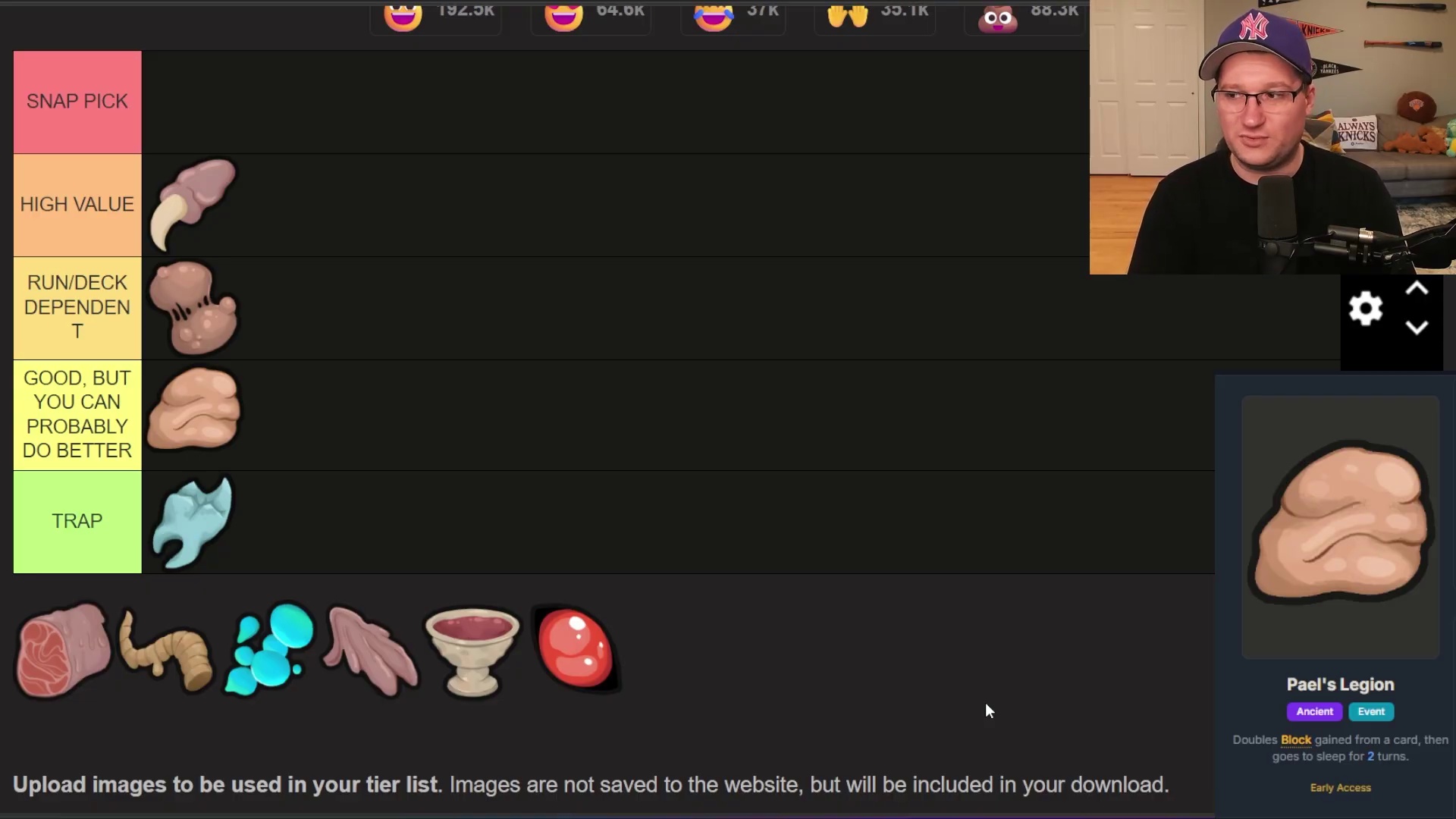
- Judge block-focused relics by the fights where they change survival math.
- Judge damage-focused relics by whether they shorten elite and boss danger windows.
- Judge engine relics by setup cost, payoff timing, and character fit.
Damage relics still need matchup proof
Tanx-style relic footage can make a damage relic look obvious, but damage value depends on where it lands. A relic that speeds hallway fights may still fail if it does not help against the next elite or boss pattern. Record the matchup where the relic matters before raising it on the global list.
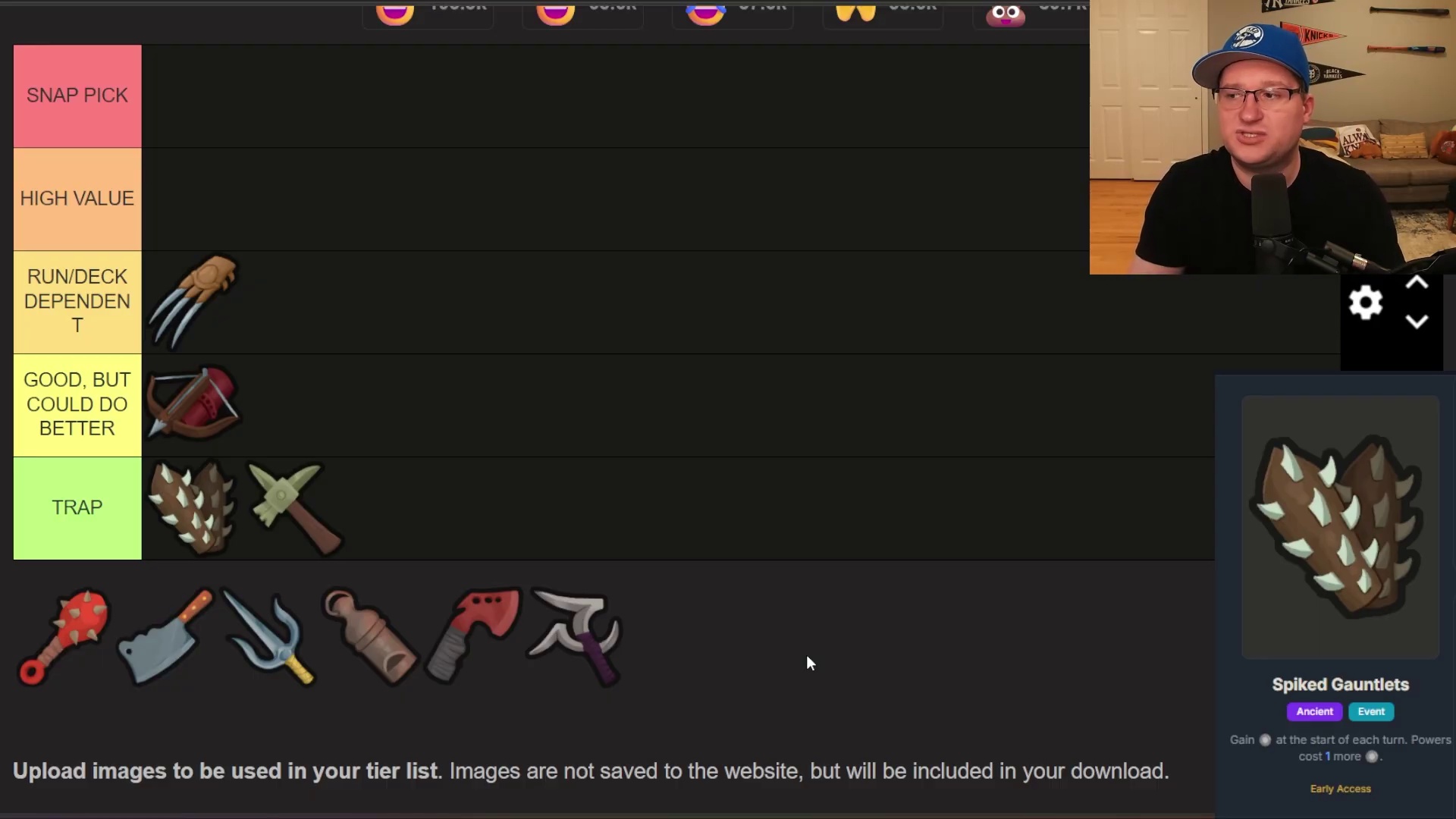
- Ask whether the relic changes the next elite, not only the average hallway fight.
- Separate front-loaded damage from scaling damage when writing the tier note.
- Keep character-specific damage relics linked to the character pages that can use them.
Engine relics need payoff timing
Tezcatara-style relics often look strongest when the deck already has draw, discard, or exhaust support. The useful ranking question is how early the relic starts paying rent. If the payoff appears only after several supporting cards, the tier note should say that it is powerful but conditional.
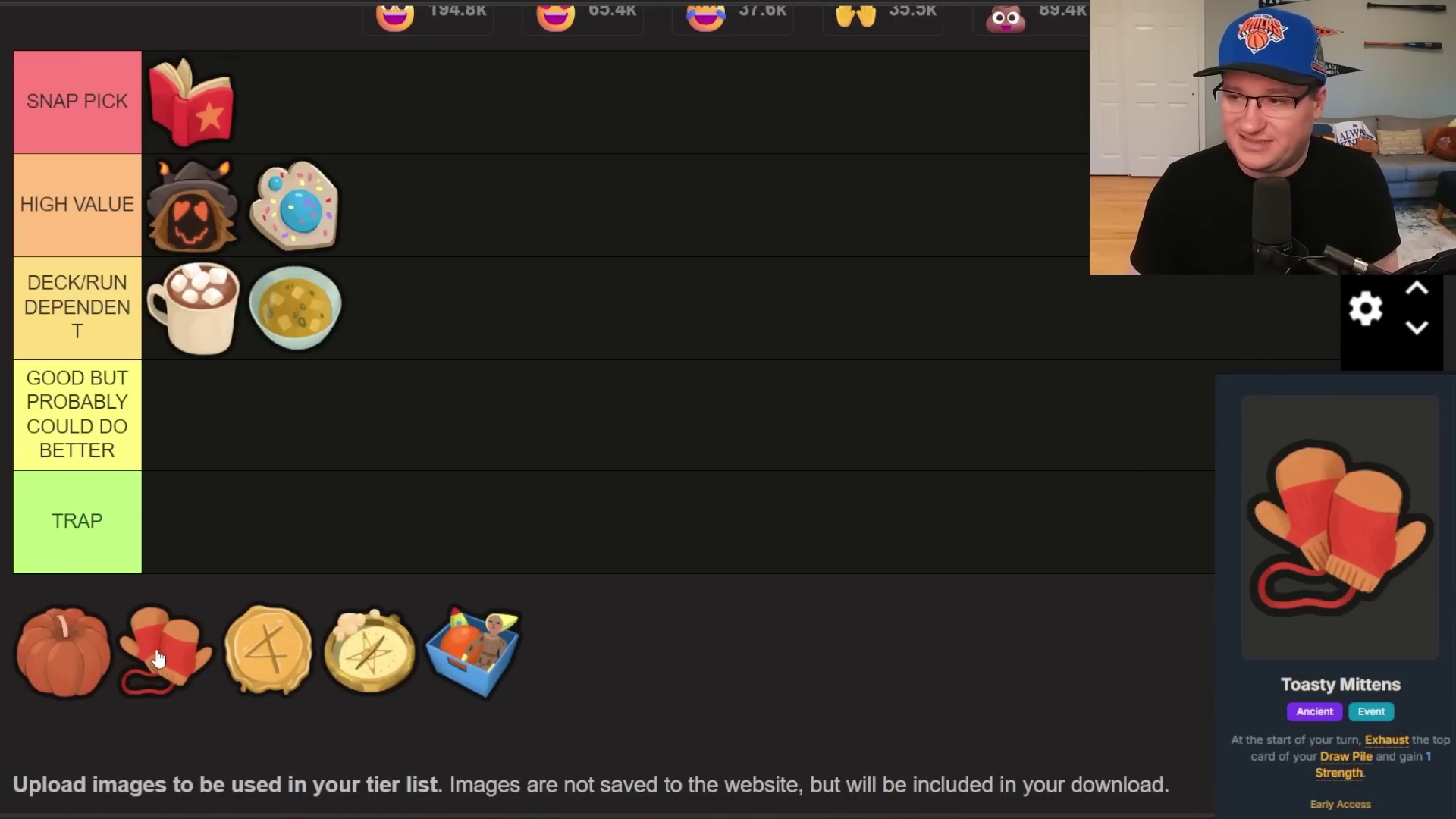
- Record the first turn or fight where the relic meaningfully pays off.
- Lower confidence when the relic needs multiple support cards before it matters.
- Link engine relic notes into build pages rather than forcing every relic into one flat tier.
Patch-sensitive families belong in review lanes
Nonupeipe and other named relic families should keep a review lane when patches change support density or enemy pressure. A family can move without every relic in the family becoming stronger. The page should preserve the reason for the movement so readers know whether the change came from numbers, matchups, or a newly reliable engine.
- Track family-level changes separately from individual relic changes.
- Mark whether a relic moved because of balance numbers, support density, or matchup pressure.
- Use patch tracker links when one family update affects multiple guide pages.
Wax relic footage needs mechanics proof
Wax relic videos should be treated as mechanics-review material until the screenshot shows the actual relic text, the pickup context, and the fight where the wax effect changes a decision. The tier list can queue these videos now, but live rankings should wait for clearer frames and run evidence.
- Capture a readable tooltip before writing a wax relic rule.
- Record whether the relic changes route, shop, boss prep, or only future upside.
- Keep wax claims in review until the current patch behavior is verified.
Rare relics still need route proof
A rare relic should not jump to the top of the tier list just because it is hard to find. The useful question is whether the relic changes a live decision: the next elite path, the next shop spend, the next boss check, or the deck support needed to make a narrow payoff work.

- Separate rarity from consistency when assigning tiers.
- Record whether the relic changes the route or only adds future upside.
- Use rare relic pages to capture discovery context, then link back to practical rankings.
Methodology
- Score relics by the next decision they change: elite path, boss prep, shop spend, rest-site choice, or card valuation.
- Use S tier only for relics that are broadly run-shaping with immediate practical value in the current patch evidence.
- Use A tier for relics that are strong when the current deck can cash in before the next danger window.
- Use B tier for useful relics whose value depends on route pressure, gold, sustain, or character support.
- Use C tier for review-lane relics and families where the page has a useful rule but not enough evidence for priority ranking.
- Use D tier as a temporary hold label when mechanics, patch state, or combat proof is too thin for public recommendation.
- Call out energy, sustain, damage speed, engine payoff, and shop opportunity cost separately.
- Keep Early Access movement conservative until repeated source footage supports the same run decision.
Run-shaping candidates
Relics that can immediately change card valuation, route safety, and boss planning when the deck can spend the upside.
High-impact with context
Strong relics and relic families that can change route, elite, or boss decisions when the support is already visible.
Useful but conditional
Good relics that need the right route pressure, gold window, sustain need, or opening context before they become correct.
Review lane
Relic families and discovery pages with useful decision patterns but not enough repeated proof for priority ranking.
Hold for proof
Mechanics or patch-sensitive relic notes that should not become recommendations until the current behavior is verified.