Start here
Slay the Spire 2 Returning Players Guide
A practical first-run guide for players who know the original game and need to reset old assumptions for the sequel.
Use old knowledge as vocabulary, not proof
The original game teaches useful vocabulary: front-loaded damage, scaling, draw, block, relic snowballs, and the danger of greedy picks. Slay the Spire 2 asks you to reuse that vocabulary without treating old answers as solved. A returning player usually loses the first few runs by recognizing a familiar shape too quickly: a card looks like an old payoff, a relic feels like an old engine, or a boss seems beatable because a similar fight was beatable before. Use your experience to ask better questions, then let the current card pool and boss pattern answer them.
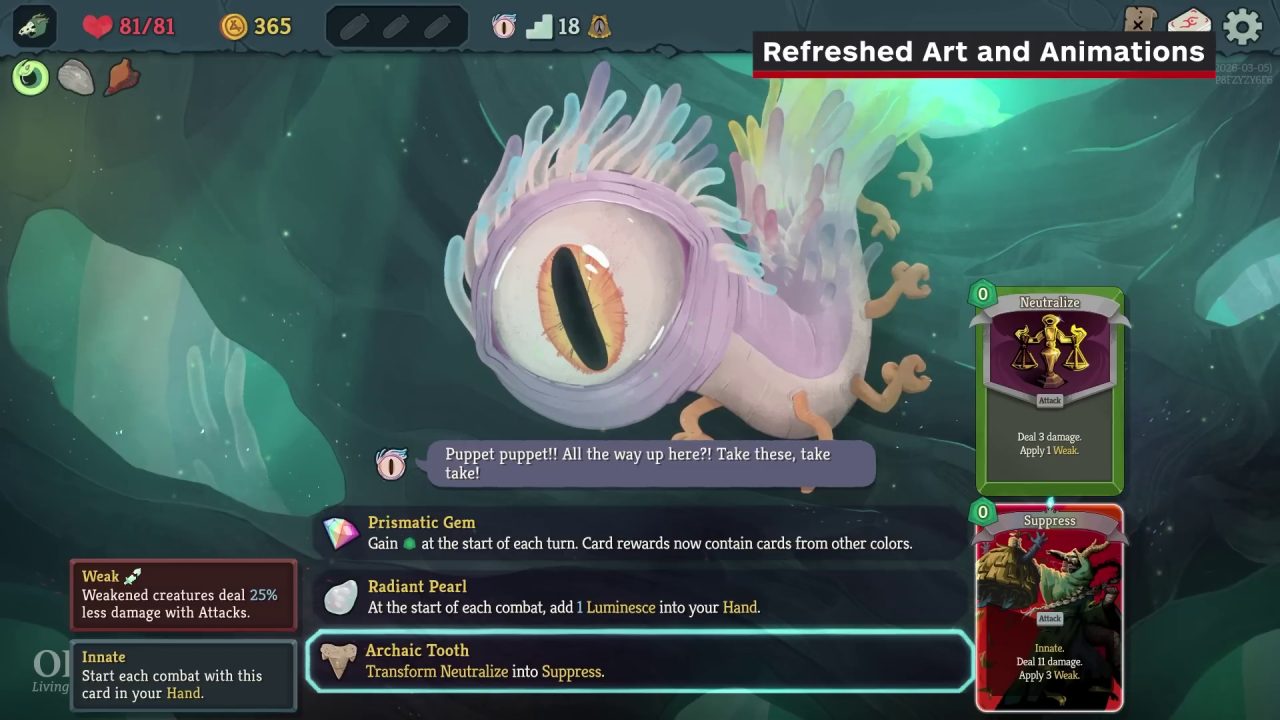
- Draft for the next act, not for remembered combos.
- Treat returning characters as changed systems.
- Read patch notes before trusting an old tier instinct.
First three pages to use
Start with the overall tier list, then character pages, then boss preparation. That path answers the three questions that matter before a run becomes noisy: what is currently worth testing, what your character actually needs, and what can kill the deck before it comes online. Do not start by memorizing every card. Start by building a short danger map, then use card and relic pages only when a choice appears in front of you.
- Open the overall tier list to understand the current patch language.
- Pick a character page before the run so you know the first act priorities.
- Check the boss-prep page before taking a greedy reward or slow scaling card.
The returning-player trap
The biggest trap is overvaluing a card because it resembles a solved Slay the Spire 1 pattern. In Early Access, support density matters more than nostalgia. A payoff card is not a plan until the run has enough draw, energy, block, and matchup coverage to survive while that payoff becomes real.
- Ask what the deck does on a bad opening hand.
- Check whether the payoff has two or more realistic support paths.
- Downgrade any plan that loses to the next elite or boss before it scales.
Changed habits to relearn first
Returning players should keep the old fundamentals but slow down the automatic decisions around them. The sequel is easiest to learn when each familiar habit gets rechecked against the current run: whether hallway fights still reward early attacks, whether a defensive pick is actually enough block, whether a relic changes routing, and whether a character mechanic asks for setup before payoff. The goal is not to forget the original game. It is to stop using memory as a substitute for reading the next fight.
- Pause on every familiar-looking reward and name the job it solves now.
- Prefer clear damage, block, draw, or scaling jobs over old build labels.
- Treat new character mechanics as resource systems to read, not combos to force.
Deck size and skip-card discipline
Old players often know that small decks can be powerful, then overcorrect by skipping useful coverage or accepting every card that looks efficient. Deck size is a result, not a target. A larger deck is fine when the added cards solve repeated problems and the deck has enough draw or redundancy to find them. A lean deck is only good when it still blocks, attacks, scales, and survives bad hands. Skip when a card is merely acceptable, when it duplicates a solved job, or when it delays access to the cards that beat the next elite or boss.
- Add a card because it solves a fight, supports an active plan, or improves bad hands.
- Skip medium cards once the deck already has reliable damage and block for the route.
- Judge deck size together with draw quality, removals, potion coverage, and boss prep.
Act 1 routing for experienced players
Act 1 should feel familiar, but returning players can still lose it by pathing like the deck is already online. Before choosing an elite route, count the practical tools you have: front-loaded damage, enough block for imperfect draws, a potion that changes a dangerous turn, and a rest or shop if the path goes badly. A strong long-term card can be correct, but not if taking it makes the next two hallway fights or the first elite unrealistic.
- Take early fights when the deck still needs rewards, but leave an escape route when possible.
- Use the first upgrade, shop, or rest to fix the route problem the deck actually has.
- Avoid elite paths that require perfect draws unless a potion or relic gives a real bailout.
Boss prep starts before the boss chest
Boss preparation is not a late-act checklist. It begins when the map and reward screens tell you what the deck is missing. Returning players should ask whether the deck can produce enough early damage, block a bad turn, scale before the fight drags on, and recover if the key card is buried. Potions belong in that calculation. Holding a potion forever is often worse than using it to save enough health for an upgrade, protect an elite reward, or survive the turn the deck cannot naturally solve.
- Before taking slow scaling, ask whether the deck survives until that scaling matters.
- Use potions to protect health, upgrades, elite rewards, or a boss-critical turn.
- Check boss-prep notes before the final reward screens of an act, not after the deck is locked.
Read new character mechanics before ranking cards
The fastest way to learn a returning or new character is to understand the mechanic loop before memorizing card grades. Ask what the mechanic spends, what it generates, when it asks for setup, and what happens when the payoff card arrives late. This is especially important for players who already know Slay the Spire vocabulary, because a familiar label like scaling, exhaust, draw, orb, or companion can hide a different timing problem in the sequel.
- Read each character page for the first safe setup, payoff turn, and failure point.
- Do not draft a mechanic payoff until the deck has time, defense, or redundancy to use it.
- Separate beginner-safe mechanic cards from high-ceiling cards that need several supports.
Beginner footage to convert into rules
Beginner-tip videos are useful for this page when they expose mistakes that experienced players still make: taking too many attractive rewards, underestimating early damage, or keeping a familiar plan after the run stops supporting it. The editorial job is to turn those moments into returning-player reminders with links into character, boss, and deckbuilding pages.
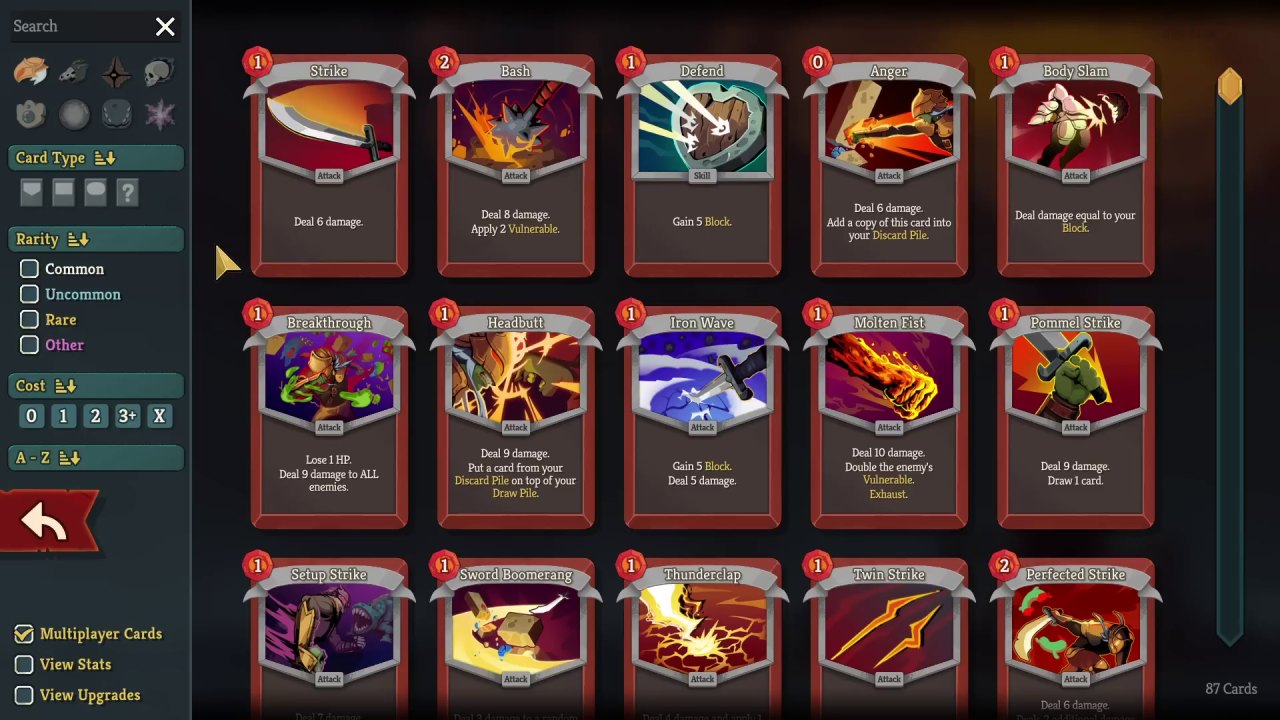
- Use beginner clips to find repeated mistakes, not generic tutorial filler.
- Attach each rule to the page that helps solve it: character, boss, card, or relic.
- Prefer short, durable heuristics over long transcript-like paragraphs.
First-run tutorial footage
Tutorial footage should be used to refresh fundamentals without talking down to experienced players. The useful parts are the simple checks that returning players skip because the interface feels familiar: reading the next enemy intent, valuing a plain block card when the deck is not ready, and recognizing when the first act is still a survival test instead of a build showcase.
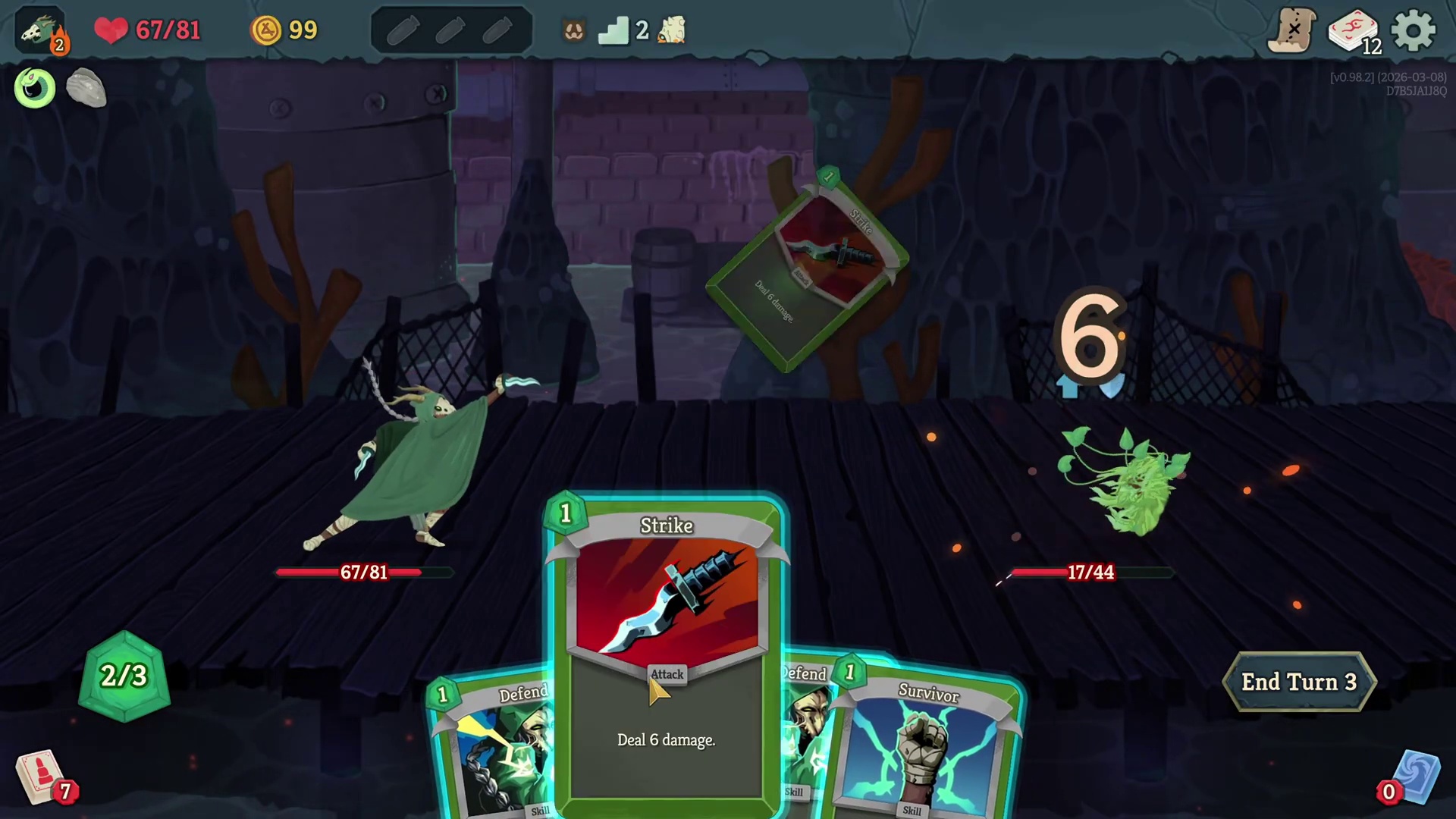
- Use early combat clips to refresh intent, block, and damage timing.
- Connect beginner reminders to character pages instead of repeating basics everywhere.
- Treat tutorial clips as rule sources, not as long transcript material.
Repeat beginner guides need a sharper job
Multiple beginner guides can still be useful when each one is assigned a different job. One video can explain interface basics, another can show reward discipline, and another can become a checklist for returning players who skip simple survival math. The page should keep only the rule that adds something new.
- Keep duplicate beginner videos only when they reveal a different mistake pattern.
- Turn repeated advice into a short checklist rather than another long paragraph.
- Use repeated beginner footage to improve FAQ answers and internal links.
Routing mistakes show up before the deck fails
Map footage is useful because many losing runs become dangerous before the card rewards even appear. Returning players should read routes as risk budgets: how many fights can the current deck handle, which elite path needs a potion or upgrade, and whether a tempting event line is actually delaying the next survival check.
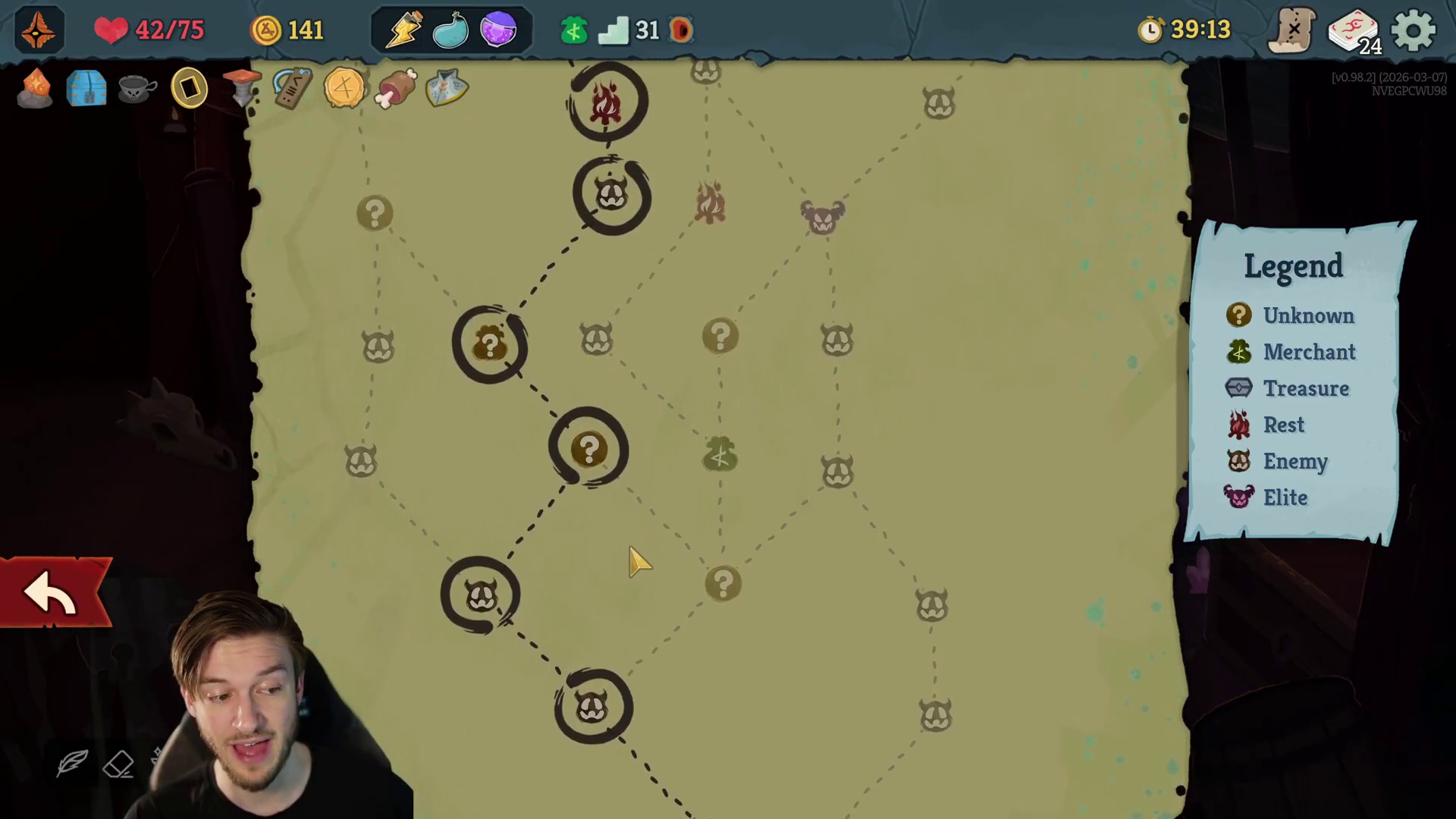
- Count route danger before judging whether a reward is greedy or safe.
- Treat elite paths as tests the deck must already be preparing to pass.
- Use map screenshots to explain why a strong deck can still lose to a bad route.
Beginner mistakes are often reward-evaluation mistakes
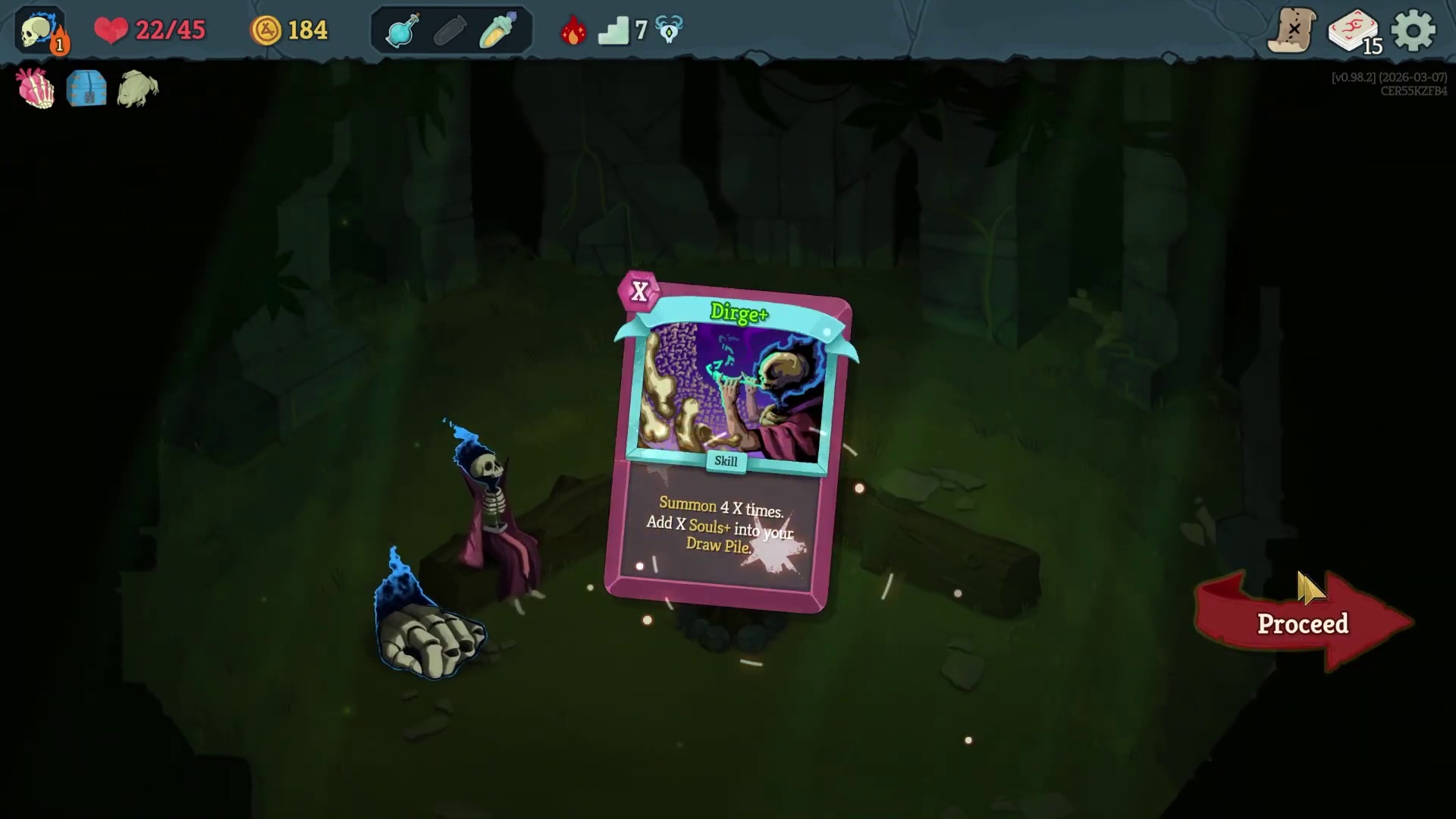
Combat and reward-screen footage can expose the decisions that experienced players rush through. A returning player may know what a strong card looks like, but still take it when the deck needs block, removal, potion coverage, or a faster answer to the next boss. The guide should turn those moments into short pick-condition rules.
- Write reward notes as conditions, not universal pick orders.
- Ask what the deck cannot currently do before taking another payoff card.
- Link repeated mistakes to card, relic, and boss pages so readers can go deeper.
How to use video-based notes
The video sources attached to this page are not copied into the guide. They are used to find decision examples, screenshots, and repeated mistakes. After reviewing a run, the editorial task is to turn a timestamp into a general rule: why the pick worked, what condition made it safe, and when the same pick would be wrong.
- A timestamp becomes useful only when it explains a repeatable decision.
- A highlight run should not become a universal recommendation.
- A loss is often better evidence than a win because it exposes missing checks.