S2Spire 2 Guide
  • Tier Lists
  • Cards
  • Relics
  • Bosses
  • Characters
  • Puzzles
  • Patch Notes
  • Guides
  • Community
Search
S2Spire 2 Guide
S2Spire 2 Guide

A patch-aware Slay the Spire 2 guide database for returning players who want tier lists, cards, relics, bosses, and build notes without forum digging.

Database
  • Tier Lists
  • Cards
  • Relics
  • Bosses
  • Puzzles
  • Collectibles
Guides
  • Characters
  • Patch Notes
  • Guides
  • Search
  • Community
  • Source Footage
  • Coverage Map
  • FAQ
Launch Pages
  • Overall Tier List
  • Relic Tier List
  • Card Tier List
  • Returning Players Guide
Legal
  • Cookie Policy
  • Privacy Policy
  • Terms of Service
© 2026 Spire 2 Guide. All Rights Reserved.

Card database

Quick Study

Card-flow pick and consistency check

Quick Study is a card-flow entry for explaining why draw and selection are valuable only when they find cards that solve real fights.

Primary keyword: slay the spire 2 quick studyLow confidence
Tier stance

High value when the deck has good hits

Deck job

Reduce bad hands and find answers

Draft note

Card flow is powerful because it makes the deck more honest about its best cards. Quick Study-style picks should move up when the deck already has damage, block, or payoff cards worth finding. They move down when the deck is still full of medium cards that do not change the next fight.
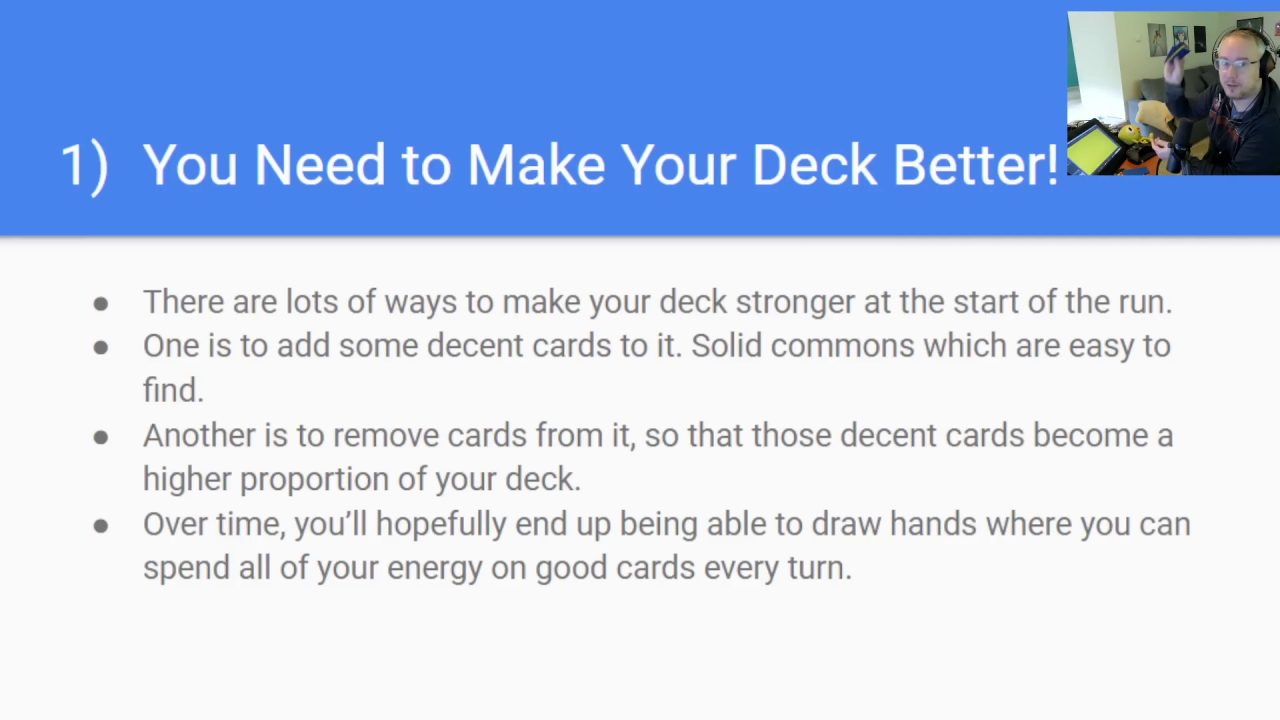
Slay the Spire 2 deckbuilding footage used for Quick Study card-flow review
Card-flow pages should explain what the draw is trying to find.
  • Raise draw when it finds specific answers or payoffs.
  • Lower draw when the deck lacks cards worth finding.
  • Pair card-flow notes with skip-card and deck-size strategy pages.

What the draw must find

Quick Study should be evaluated by the card it is expected to find. If the deck has one reliable damage card, one emergency block card, or one engine piece that changes the fight, card flow becomes a consistency upgrade. If every card is equally medium, drawing more cards only reveals the same unsolved problem faster.

  • High value: it finds a named answer for the next elite or boss.
  • Medium value: it smooths hands but the deck still needs better hits.
  • Low value: it digs through weak cards without fixing damage or block.

Deck-size caveat

Quick Study gets better when the deck is disciplined about skips and upgrades. A bloated deck can make draw look necessary while hiding the real issue: too many low-impact rewards. Before raising the card, check whether removing, skipping, or upgrading would solve the same consistency problem more cleanly.

Route and boss test

Card flow is strongest when the next fight asks for the right answer at the right time. Use boss-prep and route pages to decide whether Quick Study is finding block for a pressure turn, damage for a short timer, or a payoff that is already supported.

  • Take it earlier when the deck has a few premium cards worth finding.
  • Delay it when the deck still needs basic fight jobs added first.
  • Treat it as a support card, not a replacement for damage or defense.

Page Status

Version
Early Access
Updated
Jun 11, 2026
Category
Card - Draw/Selection
DrawConsistencyDrafting

Community Notes

Share run proof, matchup pressure, patch corrections, or exact video timestamps. Strong notes cite a patch, character, ascension, boss, or reward screen so they can become future page updates.

Run resultProof
Version namedPatch
Boss contextFight
TimestampClip

No approved notes yet. Be the first to submit a run note for review.

Start from

Related Pages

Slay the Spire 2 Deck Builds

A deck-build hub for Slay the Spire 2 covering character builds, support density, combo reliability, and patch confidence.

Slay the Spire 2 Strategy Guide

A broad strategy guide for Slay the Spire 2 covering drafting, routing, boss prep, patch notes, and tier-list interpretation.

Slay the Spire 2 Card Tier List

Patch-aware card rankings with character context, upgrade value, support density, and act pressure notes.

Slay the Spire 2 Boss Prep Checklist

A quick checklist for checking whether your deck can survive the next boss before you take another greedy reward.

Slay the Spire 2 Beginner Guide

A first-run beginner guide for Slay the Spire 2 with simple priorities for Act 1, deck size, potions, routes, bosses, and tier lists.

FAQ

Is card draw always good?

No. Draw is strongest when the deck already contains cards that solve the fight window.

When should I take Quick Study?

Take it when the deck already has specific cards worth finding and the next fights punish bad hands. If the deck lacks good hits, draft damage, block, or payoff first.

Can Quick Study fix a bad deck?

Usually not by itself. It improves access to existing answers, but it cannot replace the need for actual damage, defense, scaling, or boss-specific plans.