Boss guide
Slay the Spire 2 Boss Prep Checklist
A quick checklist for checking whether your deck can survive the next boss before you take another greedy reward.
The five checks
Before entering a boss fight, ask whether the deck has immediate damage, reliable block, one scaling path, a bad-hand plan, and a way to win if the main engine is disrupted. This checklist matters more than a perfect tier list because bosses test thresholds. A deck can contain strong cards and still lose if it cannot answer the fight window that is about to happen.
- Immediate damage: can you end dangerous phases?
- Reliable block: can you survive without perfect draw?
- Scaling: can you beat longer fights?
- Bad-hand plan: can you recover from awkward opening hands?
- Backup plan: can you still win if a boss counters your engine?
Reward decisions before the boss
The most important boss decision often happens one or two rooms before the fight. If the deck is missing front-loaded damage, a speculative scaling card is usually worse than a plain attack that solves the next fight. If the deck already blocks well but cannot finish, a damage relic or upgrade may be worth more than another defensive card. Treat the final shop, rest site, and elite reward as boss-prep tools rather than generic value spots.
- Upgrade the card that changes the next boss fight, not the prettiest card in the deck.
- Buy potions when they cover a specific bad turn or phase.
- Skip cards that make the deck slower if the boss already punishes slow setup.
Elite footage to convert into checks
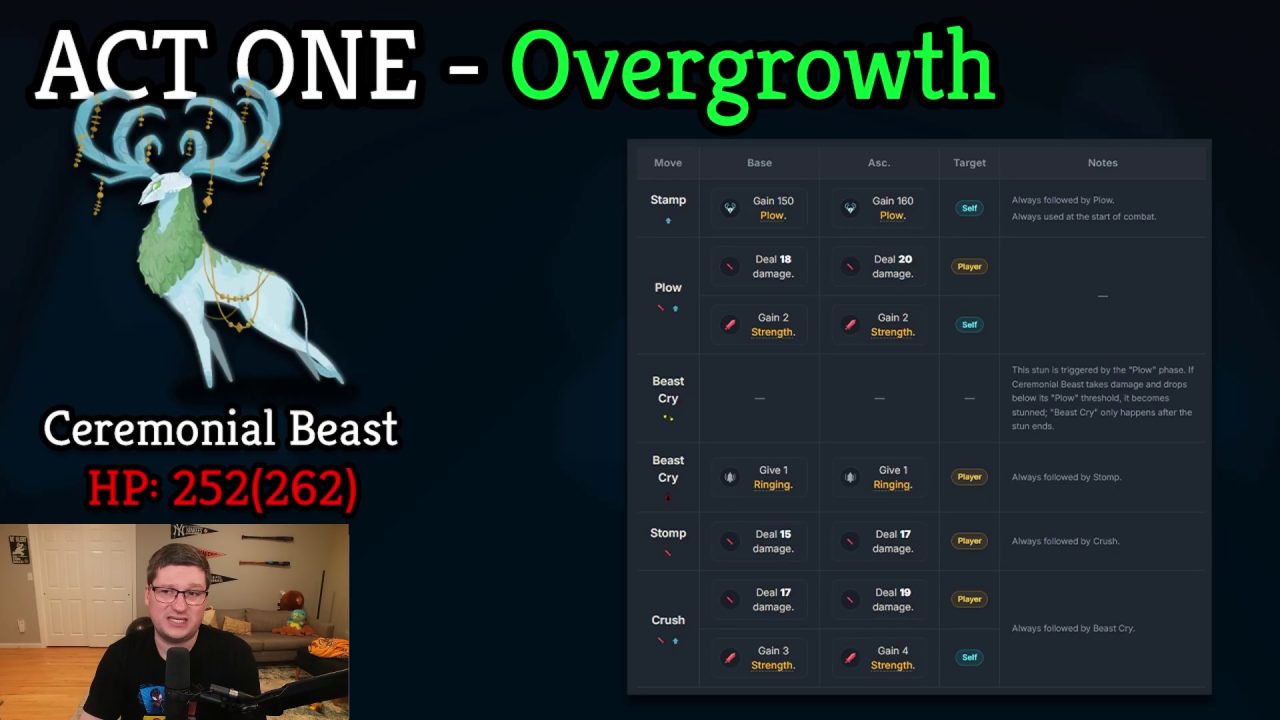
Elite videos should be converted into pre-fight questions. A clip is useful when it shows the enemy mechanic, the pressure window, and the deck job that answers it. For Act 1 elites, that usually means whether the deck can produce fast damage, block while attacking, or avoid giving the enemy too many turns to scale. The article should turn those moments into compact checklist language.
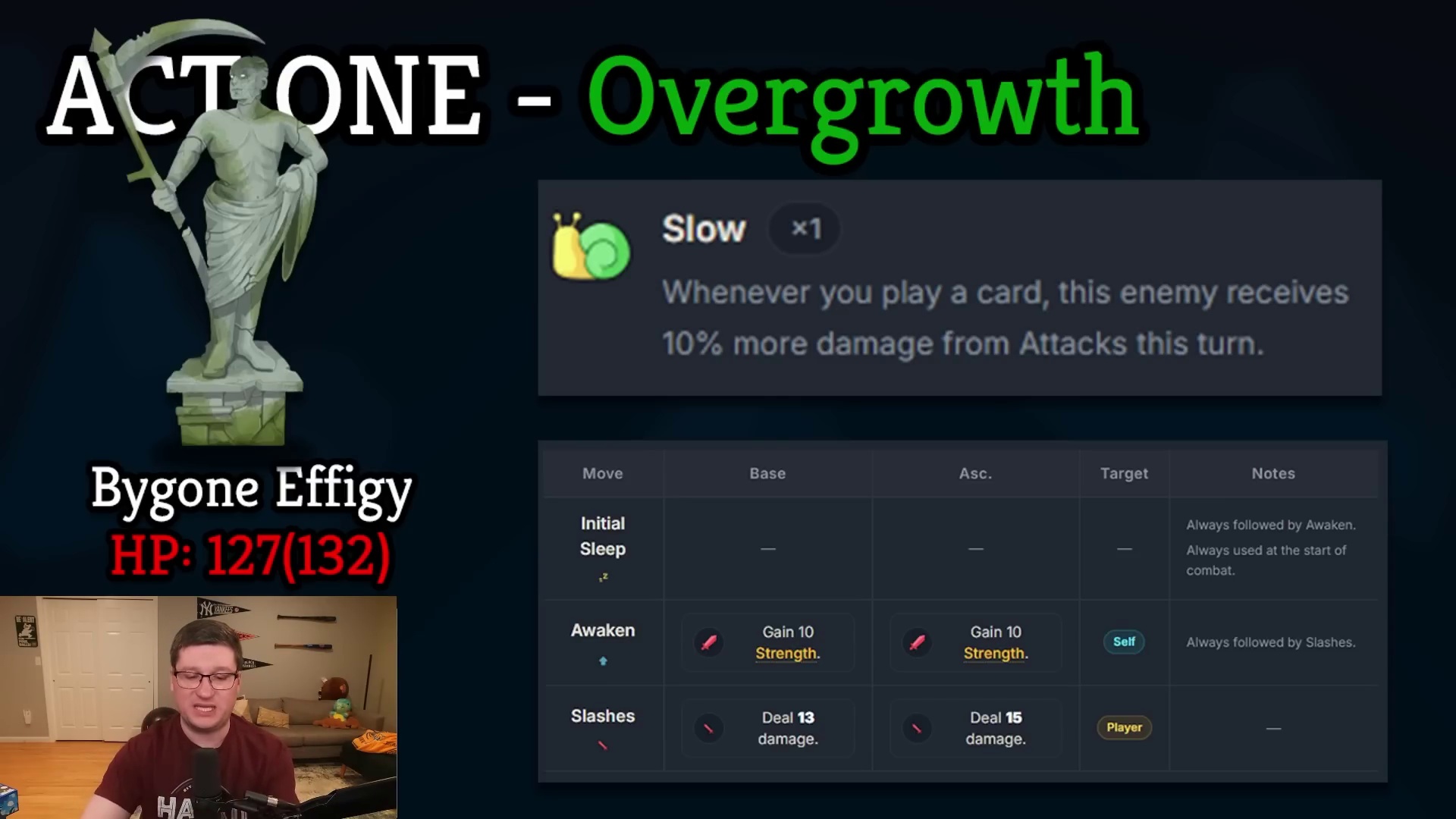
- Write one deck check for each visible elite mechanic.
- Capture the first dangerous turn, not only the winning turn.
- Link elite lessons back into character and build pages that solve the same pressure.
Act 3 and final boss footage
Late-boss footage should be used to test whether a deck plan still works after the run becomes messy. A final-boss clip can show powerful scaling, but the guide should ask what kept the deck alive before that turn: relic density, draw smoothing, defensive fallback, or a character-specific answer to disruption.
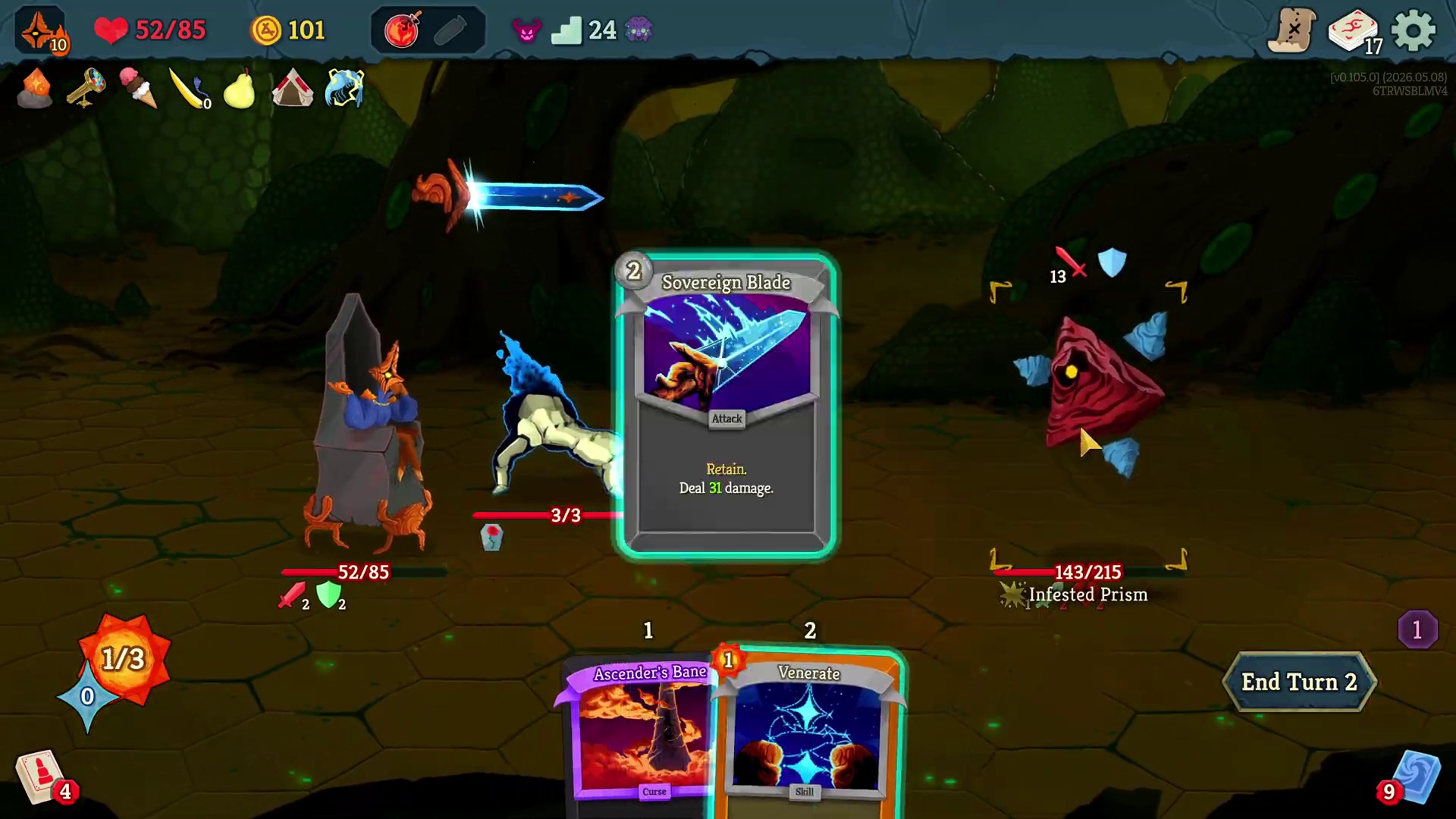
- Capture the first turn where the boss threatens to break the deck plan.
- Separate final-boss highlight damage from the survival tools that made it possible.
- Link boss-specific warnings back into character and tier-list pages.
Act 2 bosses need their own danger window
Knowledge Demon footage is useful because it is not just another final-boss highlight. Mid-run bosses test whether a deck can survive before its late-game plan is complete. The checklist should capture the first turn where the boss applies pressure, the deck job that answers it, and the reward choices that would have made the fight safer.
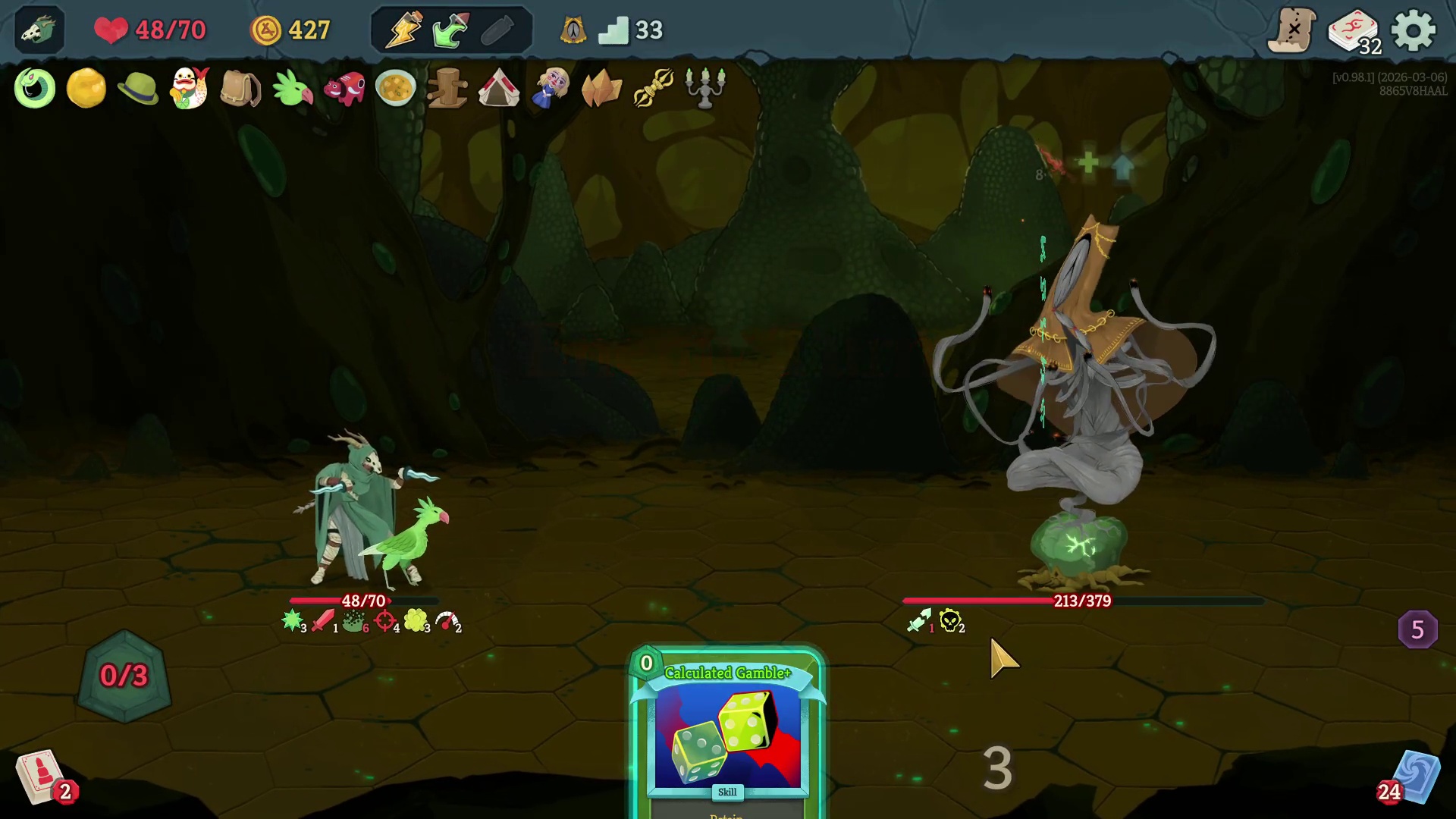
- Record the first dangerous boss turn before the deck stabilizes.
- Ask whether the deck has mid-run damage, block, and draw smoothing.
- Use Act 2 boss clips to update character-specific route warnings.
Failed final-boss footage is high-value evidence
A failed or nearly failed final-boss clip can be more useful than a clean win because it exposes the missing check. If a deck gets erased after reaching the top, the article should explain whether the problem was slow setup, thin defense, bad-hand recovery, or overreliance on one payoff.
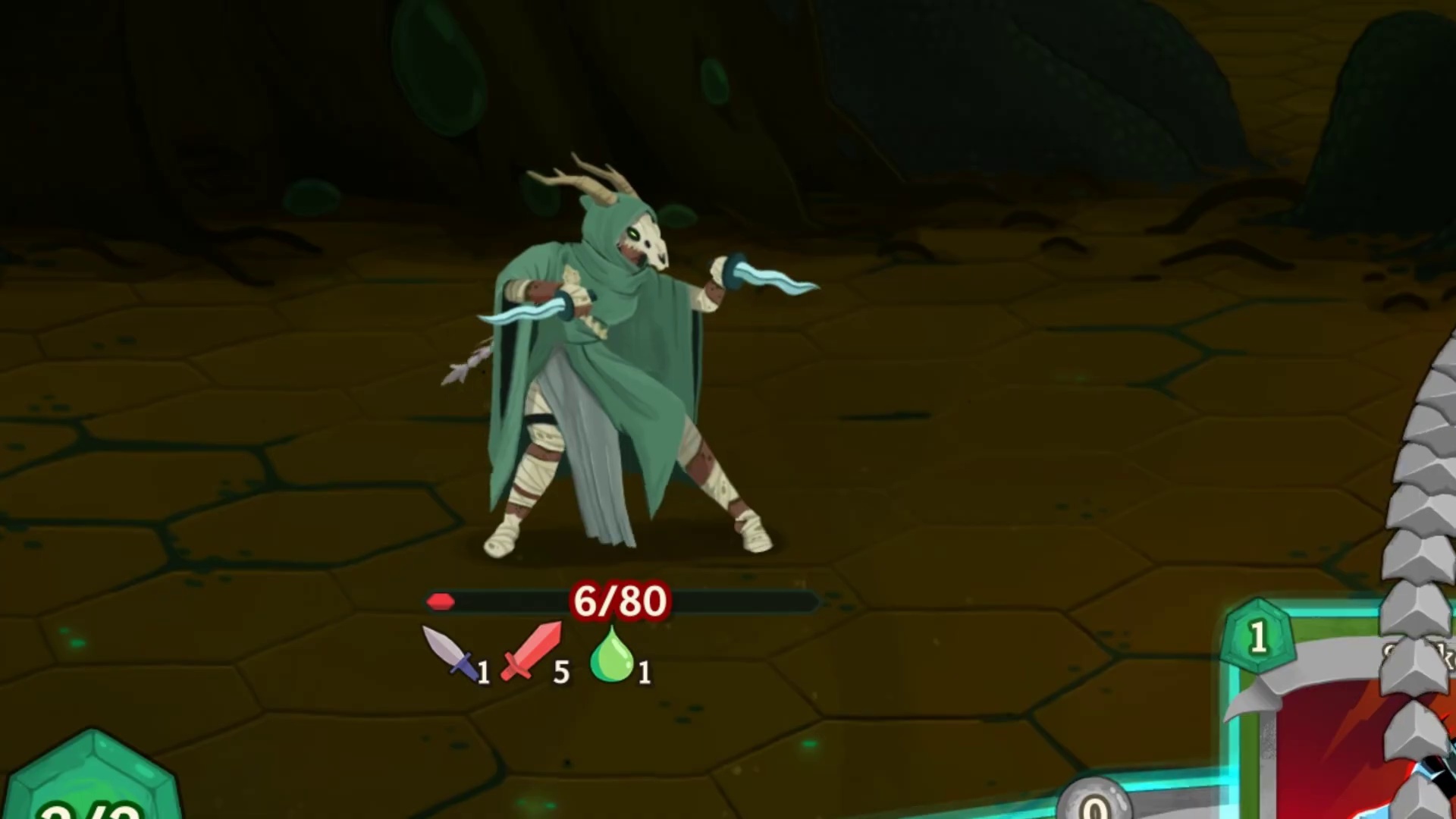
- Use losses to identify the first missing threshold, not only the killing blow.
- Separate scaling failure from bad-hand and defensive failure.
- Link failed boss examples back into build and character pages.
Potion windows are boss-prep decisions
A boss turn that invites a Weak potion or emergency block tool should be treated as preparation evidence, not a random in-fight trick. If the deck needs a potion to survive the next spike, the article should explain when that plan is acceptable and when it means the deck entered the fight underbuilt.
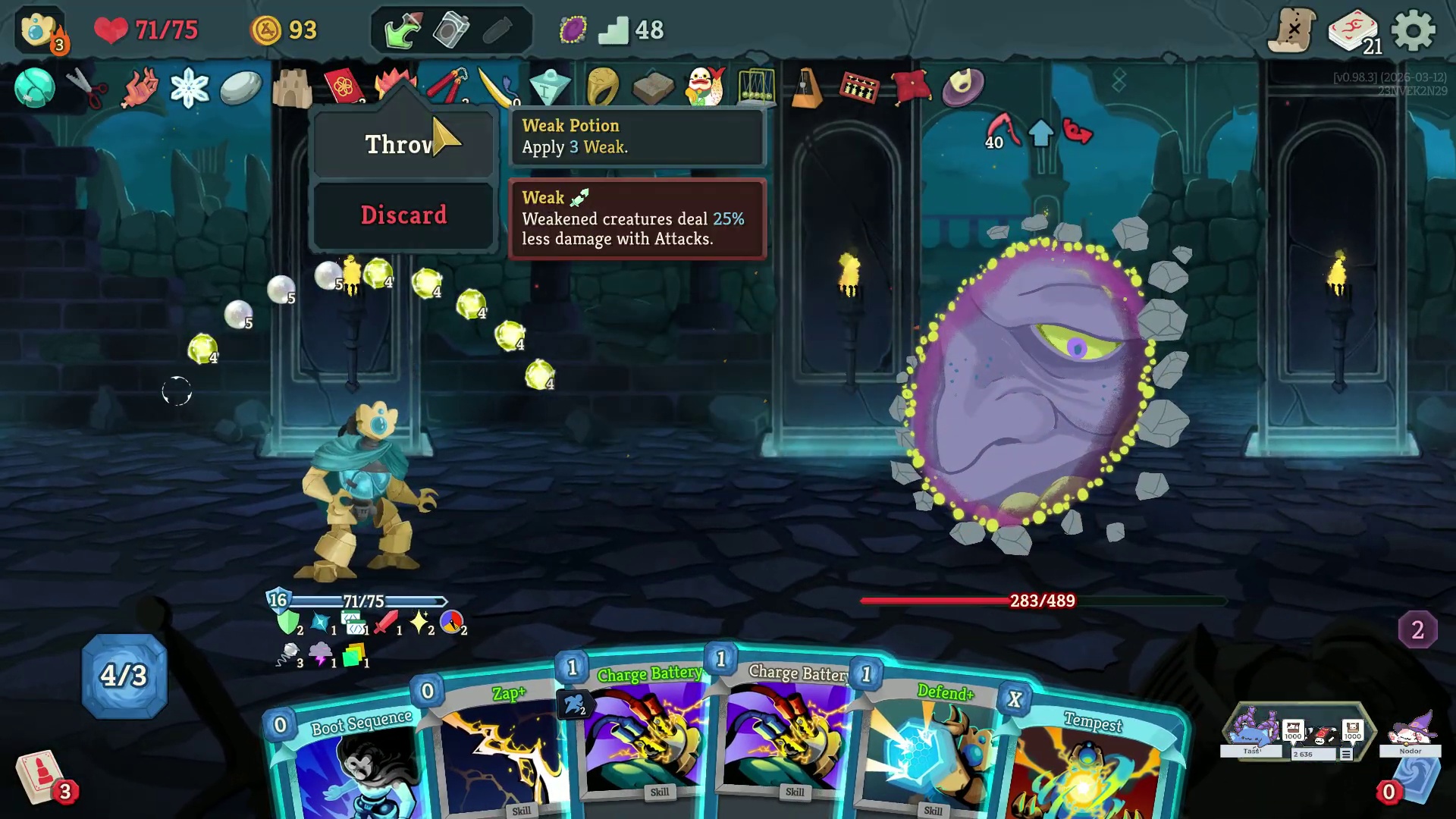
- Record the boss turn where the potion changes survival math.
- Ask whether the deck can still win after spending the emergency tool.
- Link potion-dependent boss wins back into bad-hand and block checks.
First-look boss footage should become danger windows
Boss reveal clips are most useful when they become a list of visible danger windows. The article should not only name the boss; it should identify what the boss asks from the deck: front-loaded damage, block while attacking, debuff handling, scaling speed, or a backup plan if the first engine fails.
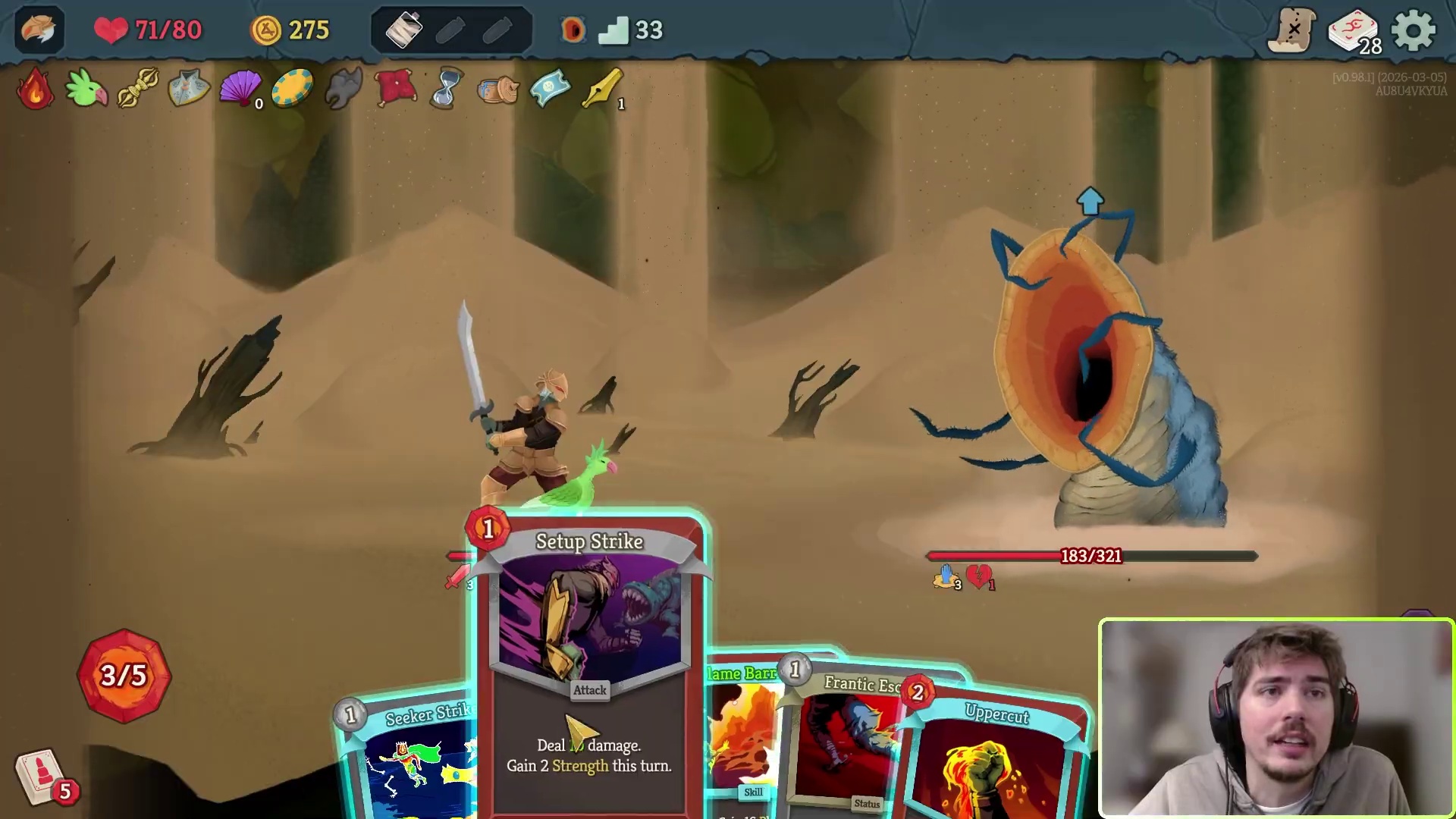
- Name the first attack or mechanic that changes the matchup.
- Convert boss footage into reusable deck thresholds.
- Keep first-look claims provisional until more runs confirm the pattern.
Boss theme videos are identification support
Boss-theme or OST videos can help a database page identify a fight, mood, and title, but they should not be used as strategy proof. If the footage is mostly music, artwork, or static boss presentation, keep it in the source library and wait for combat footage before changing matchup advice.
- Use OST clips to tag boss identity, title, and presentation context.
- Do not write deck thresholds from music-only footage.
- Link the source to boss pages while waiting for combat screenshots and matchup evidence.
Invincibility builds still need setup thresholds
A Defect build that looks invincible against a late boss should still be reviewed for the setup threshold. The guide should show what made the defensive state real: orb slots, draw timing, relic support, potion coverage, and whether the deck can survive before the lock is assembled.
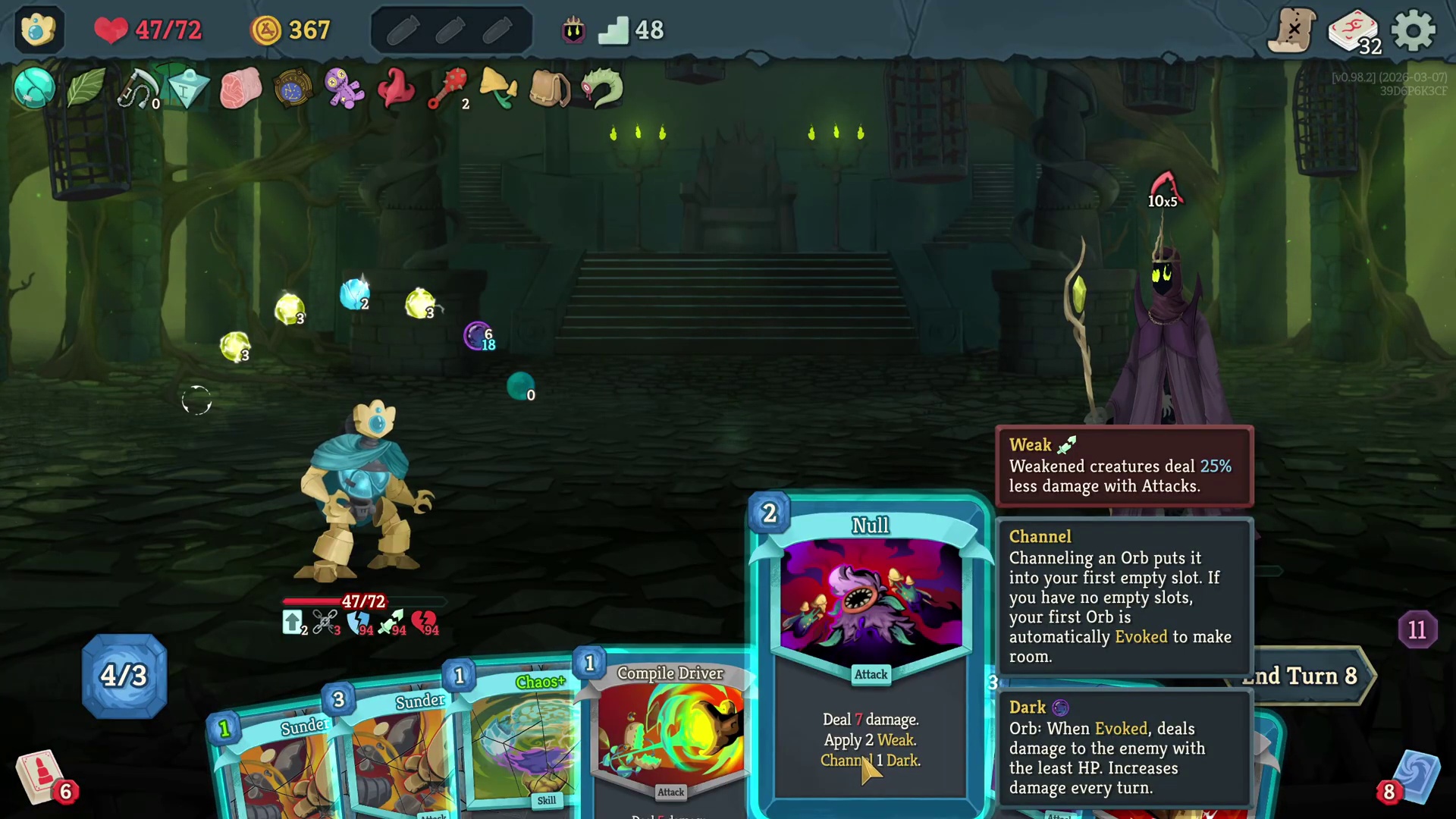
- Record how many turns the deck needed before the defense became stable.
- Separate the lock condition from the cards that survived the setup turns.
- Route Defect-specific boss lessons back to the Defect character page.
When a final boss feels regular, find the threshold
A final boss can look ordinary only after the deck has passed several thresholds. That kind of clip is useful because it shows what enough looks like: enough block, enough damage conversion, enough draw, or enough relic support to make the boss pattern stop being lethal.
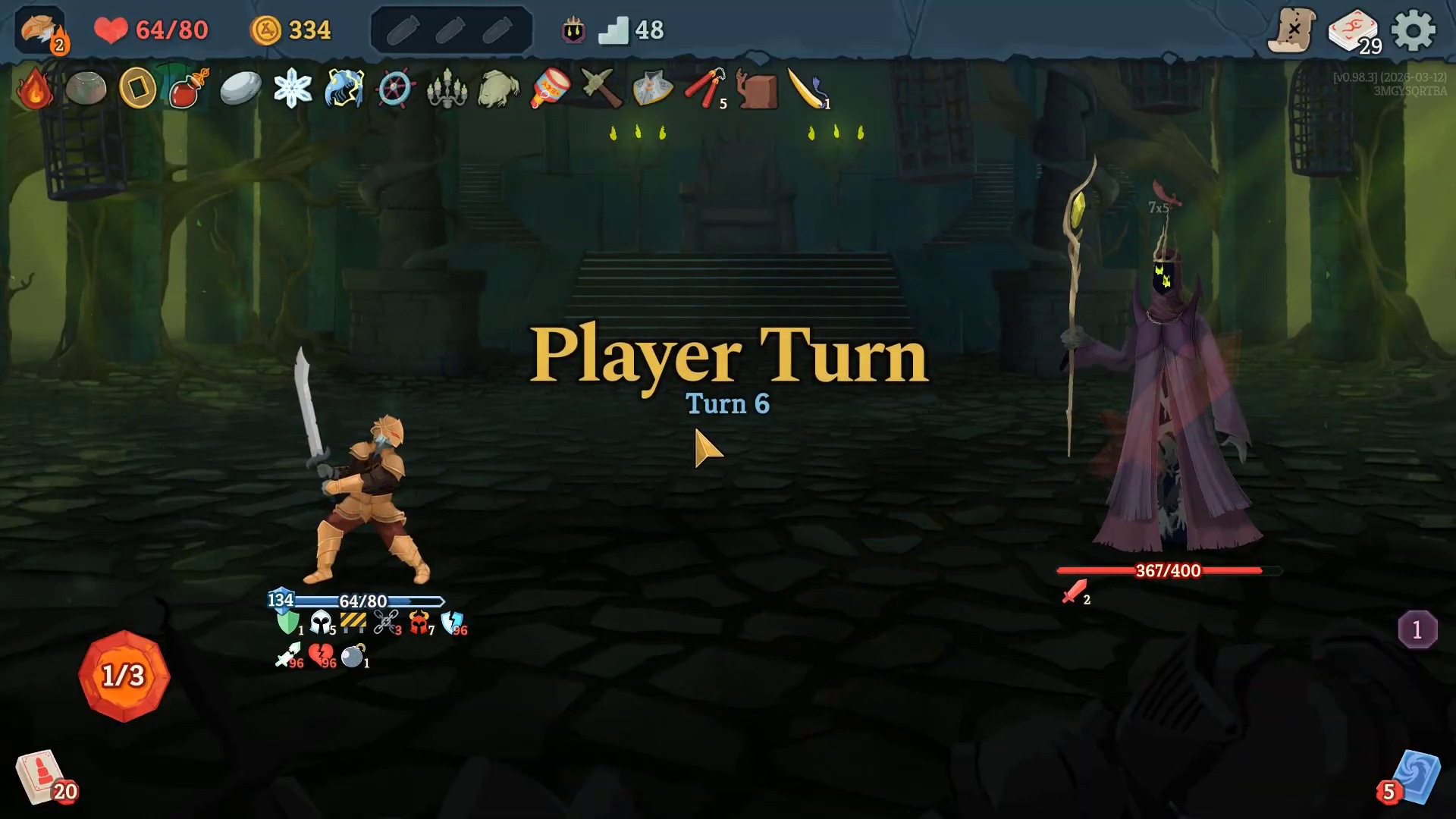
- Use stabilized fights to define minimum defensive and damage thresholds.
- Check whether the same plan works without perfect relic support.
- Keep character-specific solutions separate from universal boss advice.
How to review a boss loss
After a loss, do not only ask which boss killed you. Ask what the deck failed to prove before the fight. The useful post-run review is usually one sentence: the deck had scaling but no early block, had block but no way to end the fight, or had a good engine that needed too many perfect draws to start.
- If you died before scaling, the deck needed tempo or emergency block.
- If you stabilized but never won, the deck needed damage conversion.
- If one bad hand ended the run, the deck needed draw smoothing or a potion plan.
Where screenshots help
Boss pages should use screenshots for the exact moment a decision becomes visible: the pre-boss reward, the opening hand, the first dangerous attack, and the final deck screen. Those images support the written rule without turning the article into a transcript of a single run.
- Capture the boss turn where the deck first falls behind.
- Capture the card or relic that changes the matchup.
- Capture the final deck only when it explains why the run won or lost.