Beginner guide
Slay the Spire 2 Beginner Guide
A first-run beginner guide for Slay the Spire 2 with simple priorities for Act 1, deck size, potions, routes, bosses, and tier lists.
First run priority: stay alive and learn
A first run is not the time to force a perfect build. The best beginner goal is to keep the deck functional while learning what enemies, rewards, and bosses ask from you. Take cards that solve plain problems first: dealing damage before fights drag on, blocking bad turns, and finding enough consistency that your best cards appear on time. A flashy payoff can wait until the deck has the basics to survive the setup.
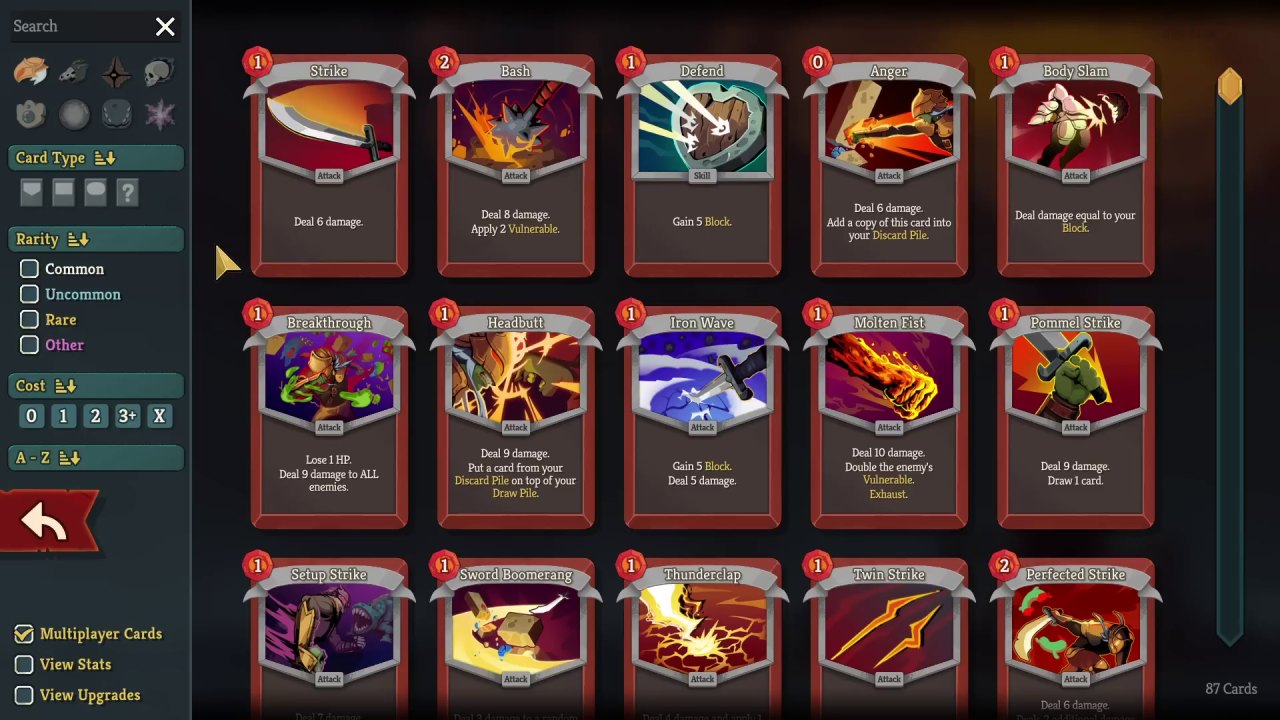
- Add early damage when fights are taking too many turns.
- Add block when bad hands cost too much health.
- Add draw or redundancy only when the deck already has useful cards to find.
- Treat the run as practice, not as proof that a character or card is weak.
Act 1 survival basics
Act 1 usually rewards practical cards more than future dreams. Early hallway fights and elites punish decks that spend too many picks on slow scaling before they can win ordinary fights. Beginners should ask a simple question after every reward: does this make the next few rooms safer? If the answer is unclear, prefer the card, upgrade, potion, or path that protects health and keeps options open.
- Take enough front-loaded damage to end dangerous fights.
- Do not ignore block just because an attack looks exciting.
- Rest when low health would make every future room worse.
- Upgrade when the upgrade changes a real fight, not only because it looks efficient.
Deck size and skipping
There is no beginner-safe deck size that works in every run. A small deck is good only if it still attacks, blocks, scales, and handles bad draws. A larger deck is fine when the extra cards each solve a real problem. The important beginner habit is learning that the skip button is an active choice. Skipping keeps the deck from filling with cards that are acceptable in isolation but do not help the next danger window.
- Take a card when it solves damage, block, scaling, draw, or bad-hand recovery.
- Skip cards that only duplicate a job the deck already handles.
- Skip narrow synergy when the payoff pieces are not present yet.
- Judge deck size together with draw, removals, potions, and upcoming fights.
Potions are part of the plan
Beginners often save potions until it is too late, or spend them without knowing what problem they solved. A potion is strongest when it protects a specific part of the run: enough health to take an upgrade, enough damage to beat an elite, or enough block to survive a bad boss turn. If using a potion preserves the run plan, it was not wasted.
- Use a potion to prevent heavy health loss in a fight that matters.
- Buy or keep potions when the next elite or boss has a clear danger turn.
- Do not hold a potion forever if it would save an upgrade, elite reward, or run-saving path.
Choose routes by current strength
A route is not good because it has the most rewards. It is good when the current deck can survive the risks needed to reach those rewards. Beginners should look for paths with early fights for card rewards, but also exits: a rest site, shop, or safer branch if the deck takes too much damage. Elite fights are valuable, but only when the deck has enough damage, block, or potion coverage to make the risk realistic.
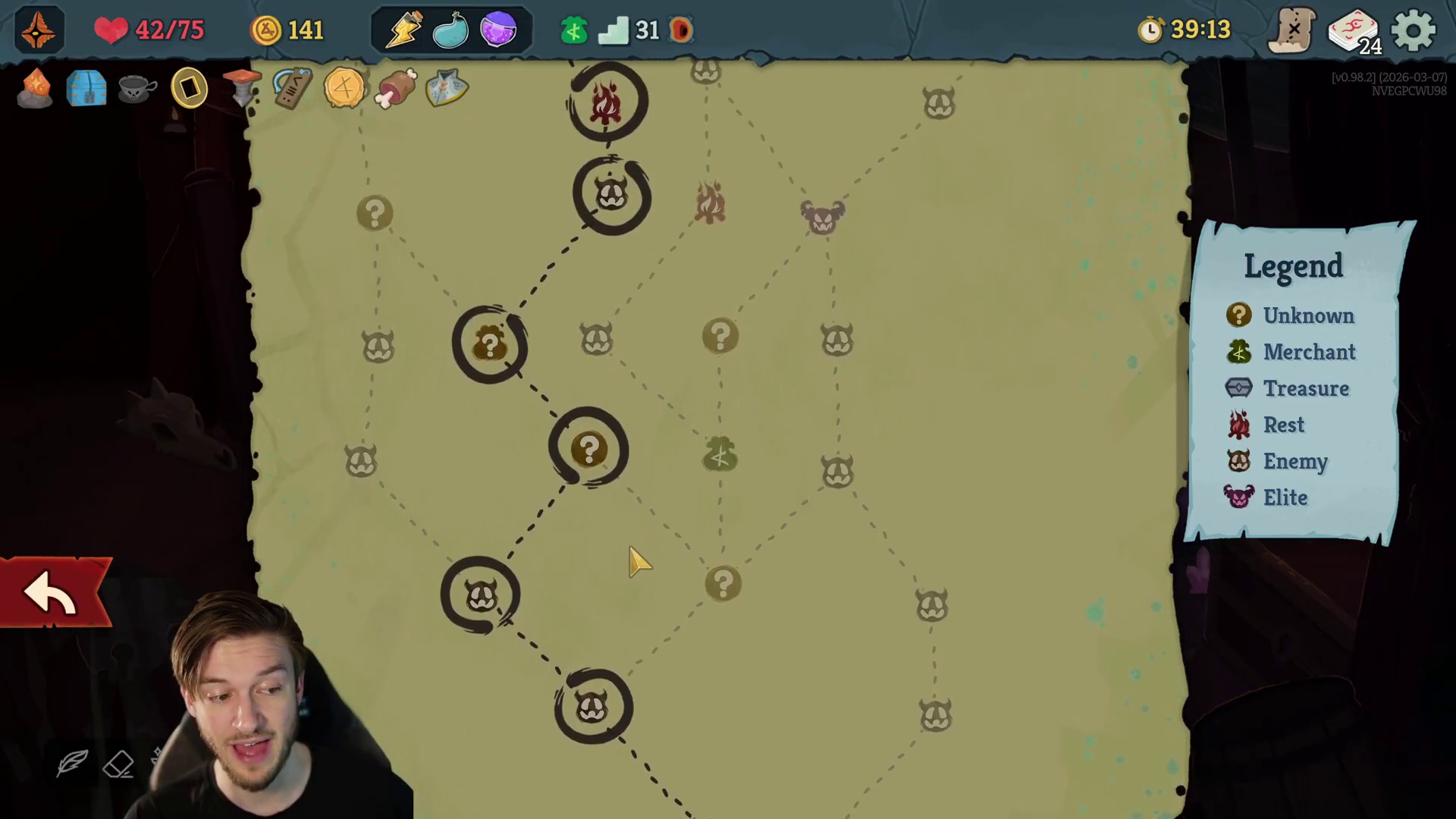
- Prefer routes with choices over routes that force every hard fight.
- Take elites when the deck already has practical fight coverage.
- Use shops and rests to fix the problem the route is creating.
- Avoid paths that require perfect draws from an unfinished deck.
Prepare for bosses before the door
Boss prep starts before the last room of an act. As the act develops, ask whether the deck can deal enough damage, block a bad turn, scale if the fight lasts, and recover when the best card is buried. A strong card can still be wrong late in an act if it makes the deck slower against the boss you are about to face.
- Check for immediate damage before taking another slow payoff.
- Check for block on imperfect hands, not only on the best hand.
- Keep one scaling path for longer fights, but do not let scaling replace survival.
- Use the boss-prep checklist before final shops, rests, and reward screens.
Pick a beginner-friendly character goal
For a first run, choose a character because the learning goal is clear, not because a tier list says the ceiling is high. Ironclad is the simplest baseline for direct damage, blocking, and health tradeoffs. Silent is useful once you want to practice draw and discard timing. Necrobinder is better when you specifically want to learn a new sequel-style resource loop. Defect can be familiar to returning players, but beginners should still prove that setup turns are safe before leaning into slower engines.
- Start with Ironclad if you want the cleanest fundamentals check.
- Try Silent when you want to practice card flow and reward discipline.
- Try Necrobinder when you want a new-system learning run.
- Try Defect after reading beginner build notes about setup speed.
Use tier lists without autopilot
A tier list is context, not a pick order. It can tell you which cards, relics, builds, or characters are broadly promising, but it cannot see your current health, potions, route, boss, or deck shape. Beginners should read the note behind the tier, then ask whether the current run meets the condition that makes the option strong.
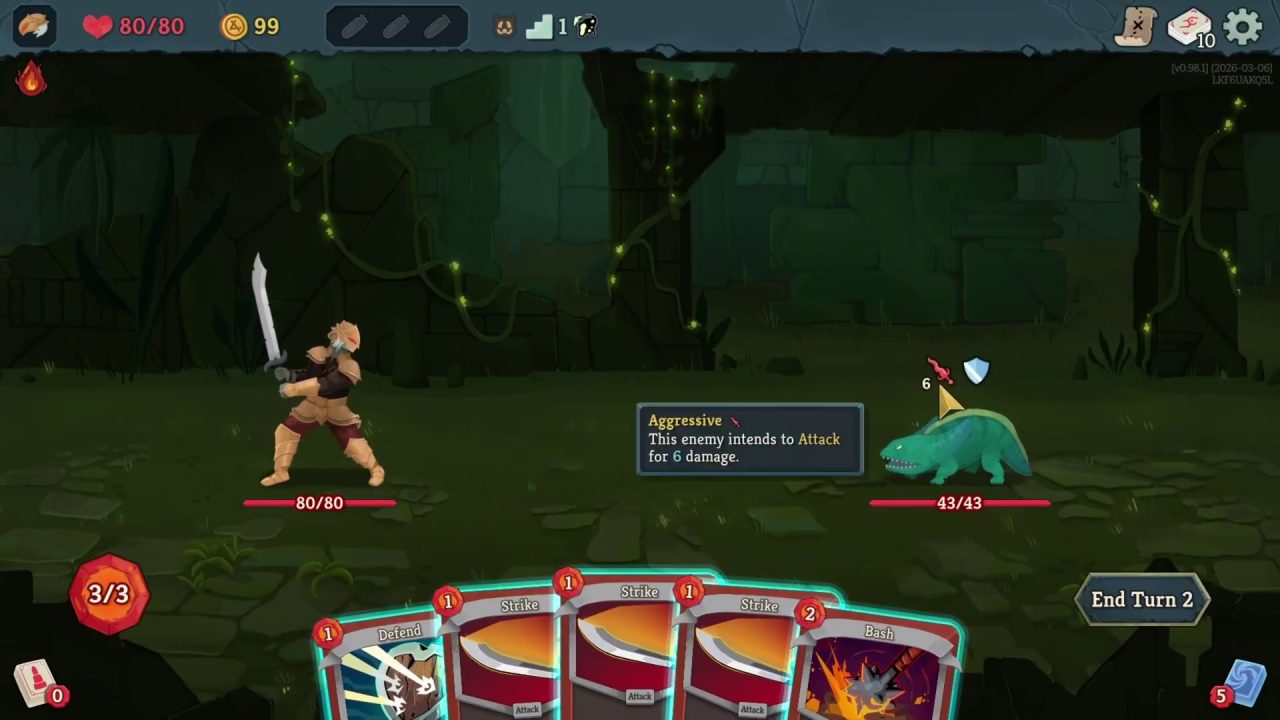
- Read the explanation and confidence label, not only the letter grade.
- Take lower-tier practical coverage when it solves the next fight.
- Avoid high-tier payoff cards when the deck lacks support or time.
- Use tier lists after naming the missing job: damage, block, scaling, draw, or route safety.
Review losses by the first missing check
A beginner loss is useful when you can name where the run first became unsafe. The final death turn is usually only the symptom. Look earlier for the first fight where damage was too low, block was unreliable, a potion was saved too long, a route became too greedy, or a reward added another idea instead of solving the next danger.
- Find the first expensive fight, not only the final fight.
- Mark one drafting mistake, one route mistake, and one potion mistake if they exist.
- Use the next run to practice one rule instead of changing everything at once.