SEO guide
Slay the Spire 2 Ascension Guide
An ascension guide framework for Slay the Spire 2 covering difficulty scaling, deck consistency, and patch-aware climb notes.
Quick answer
Ascension pages should explain how higher difficulty changes risk tolerance: fewer greedy picks, more fight coverage, and cleaner route decisions.
What to check first
Use this page as a practical search-intent answer first, then follow the related database links for deeper card, relic, character, boss, and patch context.
- Lower greed before the deck has solved Act 1 pressure.
- Prioritize consistency, bad-hand recovery, and fight coverage over ceiling.
- Track which boss, elite, or pathing decision exposed the first failure window.
Climbing means reducing avoidable failure
Higher ascension usually punishes the same mistakes sooner. A greedy pick that survives low difficulty can cost too much HP later. A build that needs perfect rewards becomes less reliable when fights hit harder, route choices become tighter, and bad hands matter more. The practical goal is not to draft scared; it is to remove avoidable failure before the run asks for late-game scaling.
- Prioritize cards that work under pressure before narrow payoff.
- Use potions earlier when they preserve upgrades or prevent a death spiral.
- Review losses by fight window: early damage, block, scaling, or bad-hand recovery.
Beginner climbs and high-ascension climbs ask different questions
On lower ascension, a player can learn broad deck shape: add practical damage, keep enough block, and stop taking rewards that do not have a job. At higher ascension, the same rules become stricter. Each reward should be judged by the next elite, boss, or route fork, because a card that is merely acceptable can still make key cards arrive too late.
- Beginner goal: learn what each pick is supposed to solve.
- High-ascension goal: remove picks that only work when the path stays easy.
- Use the same deckbuilding language, but apply it earlier and with less tolerance for dead draws.
Act 1 risk budget is HP, potion, upgrade, and path flexibility
Act 1 is where ascension runs often become expensive before they look doomed. The risk budget is not a fixed number; it is the combined cost of lost HP, missing potion coverage, skipped upgrades, weak shop timing, and a path that forces a fight the deck cannot yet answer. A climb guide should teach readers to spend that budget deliberately instead of treating every elite, rest site, and reward as isolated.
- Take an elite path only when the deck has enough immediate fight coverage or a clear bailout.
- Prefer an upgrade when it changes the next danger window; rest when low HP would make every future choice worse.
- Keep potions for specific route or boss gaps rather than saving them out of habit.
Deckbuilding for ascension starts with failure windows
A strong ascension deck is not just a pile of high-tier cards. It needs enough front-loaded damage for early fights, enough block for bad hands, a way to scale before long bosses outlast it, and enough draw or redundancy to find the right job on time. When a reward does not improve one of those windows, skipping can be stronger than adding another medium card.
- Name the current missing job before opening a tier list.
- Add narrow synergy only after the deck can survive until the payoff matters.
- Skip cards that improve the theoretical build while weakening the next real fight.
Boss, elite, and pathing implications
Ascension pressure changes map decisions. Elites are valuable when they convert a prepared deck into rewards, but they punish decks that only have a future plan. Bosses ask whether the deck can block, deal damage, and scale in the same run instead of relying on one clean draw. Pathing should therefore reflect the deck in hand: aggressive when the deck has coverage, conservative when it still needs a shop, upgrade, potion, or safer reward screen.
- Treat elite rewards as earned by current deck strength, not owed by the map.
- Use boss-prep checks before taking a slower card near the end of an act.
- Choose safer paths when one bad hallway fight would force a rest and erase upgrade plans.
Ascension footage should show the failure window
High-ascension videos are useful when they identify where the run would have failed at a lower margin. The page should capture whether the deck needed more front-loaded damage, better block, cleaner route choices, or a faster way to convert scaling into boss damage.
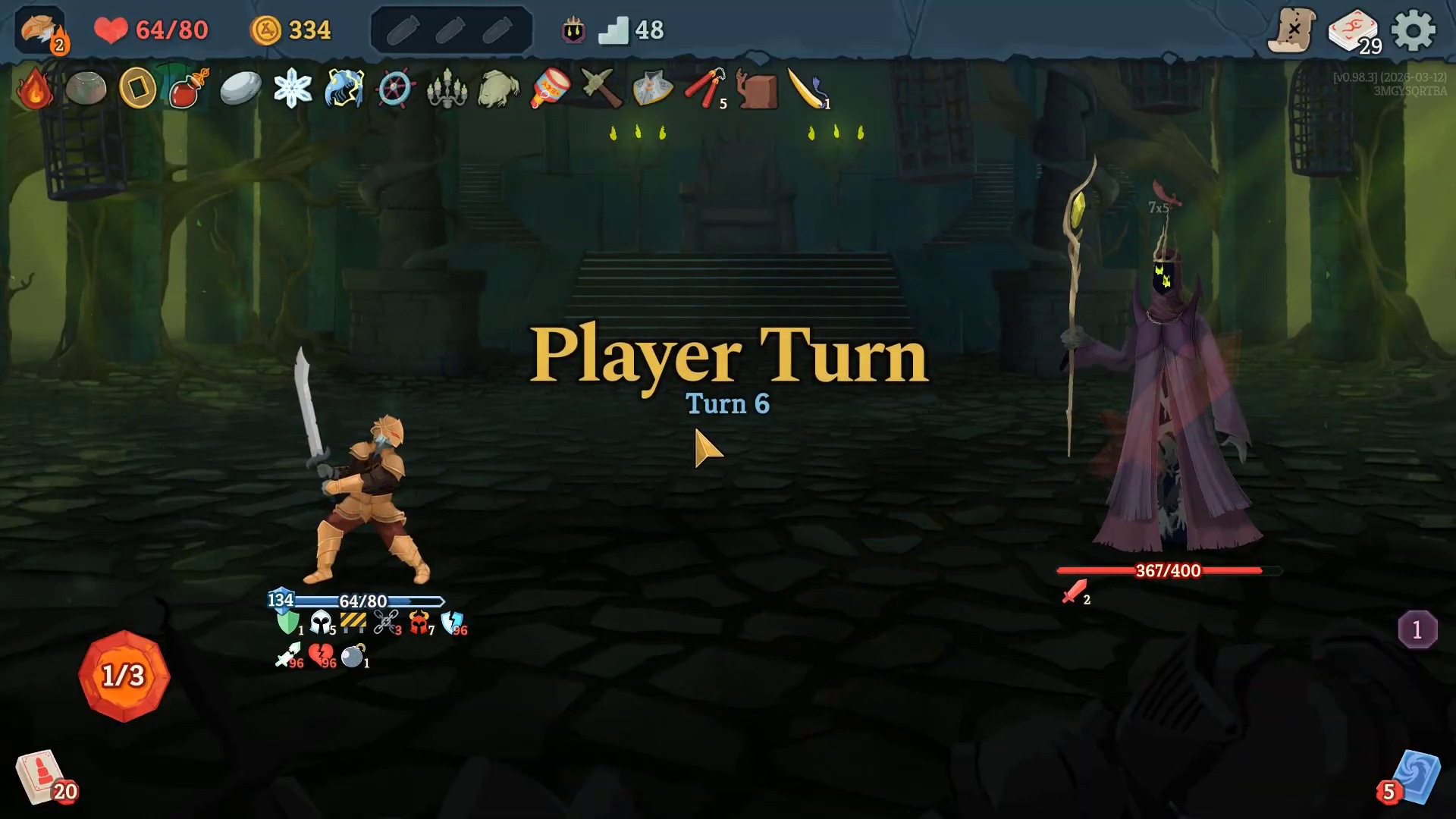
- Record the first fight where a low-ascension habit becomes unsafe.
- Use boss-prep checks to explain why the deck survived.
- Link character-specific climb lessons back to character pages.
Editorial note
This page is part of the first English-only content batch. It is written conservatively for Early Access and should be tightened whenever a major patch changes public information or run data.