Character database
Silent
Discard, poison, and tempo planning
Silent rewards precise draw and discard planning. Returning players should watch for decks that look familiar but have different support density.
Card-flow specialist
Medium
Flexible drafting and burst setup
How to approach Silent
Silent runs should be judged by how quickly the deck finds its engine and how safely it survives before that engine appears. Returning players may recognize poison, discard, shiv, and draw language, but the sequel reward pool can change which package is actually open. The first question is not whether a Silent card belongs to a known archetype; it is whether the deck has enough early damage, block, and card flow to reach the payoff.

- Prioritize early attacks if the run lacks immediate damage.
- Treat discard payoffs as a package, not isolated upside.
- Track boss matchups that punish low front-loaded block.
When a Silent engine is ready
A Silent engine is ready when it can draw into relevant cards without folding to the next attack window. Discard, poison, and shiv plans all need a different mix of payoff and delivery. If a reward only becomes good after three other cards appear, it belongs in the watchlist, not the immediate pick column.
- Discard needs payoffs, draw volume, and enough block to spend setup turns.
- Poison needs time, so the deck must survive while damage ramps.
- Shiv-style plans need a reason to turn many small actions into real boss damage.
How to review Silent build videos
Silent highlight videos often show a finished engine shredding a fight. For guide writing, the useful footage is earlier: the first attack pick, the first skip, the first moment the deck chooses between defense and payoff. Those moments become practical advice for readers who are still drafting the deck.
- Capture the first reward that commits the deck to an engine.
- Record the support cards that make the engine consistent.
- Add a warning when the build needed rare relics or patch-specific behavior.
Shiv footage should prove tempo before payoff
Shiv-style Silent footage is useful when it shows why the deck can spend turns on many small actions without losing the fight window. The article should not only say that shivs scale; it should show what covered the early damage check, how the deck kept drawing relevant cards, and whether the boss plan still works when one payoff piece is missing.

- Look for the first turn where the deck attacks and blocks in the same hand.
- Treat shiv payoffs as conditional until draw and defense are visible.
- Use combat footage to explain when small-card volume becomes real damage.
Route pressure matters for Silent engines
Silent build footage that includes the map is especially valuable because engine decks often fail before the payoff is assembled. A Serpent Form or similar payoff can be correct, but only if the route gives the deck enough fights, upgrades, shops, or rest sites to survive while the plan comes online.
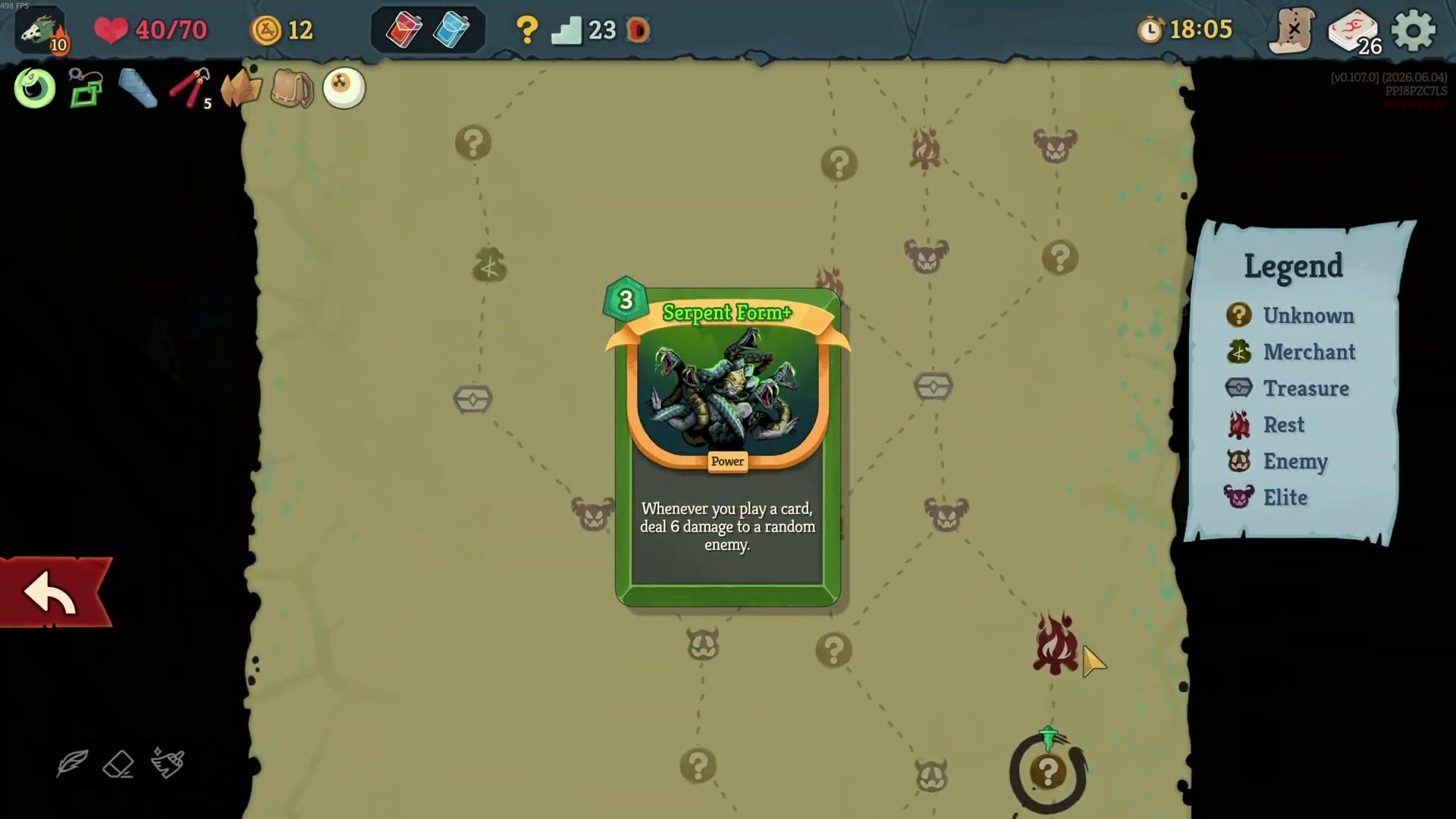
- Pair payoff-card notes with route risk, not only final deck strength.
- Use map frames to explain whether a build has time to become stable.
- Downgrade slow Silent plans when the next path demands immediate damage.
Every-card rankings need deck-state labels
Silent card tier videos should not become a memorization table. The useful output is a deck-state label: good immediately, good after draw support, good after discard payoff, or too slow until the route is safe. Returning players can then use the tier note during an actual reward screen.
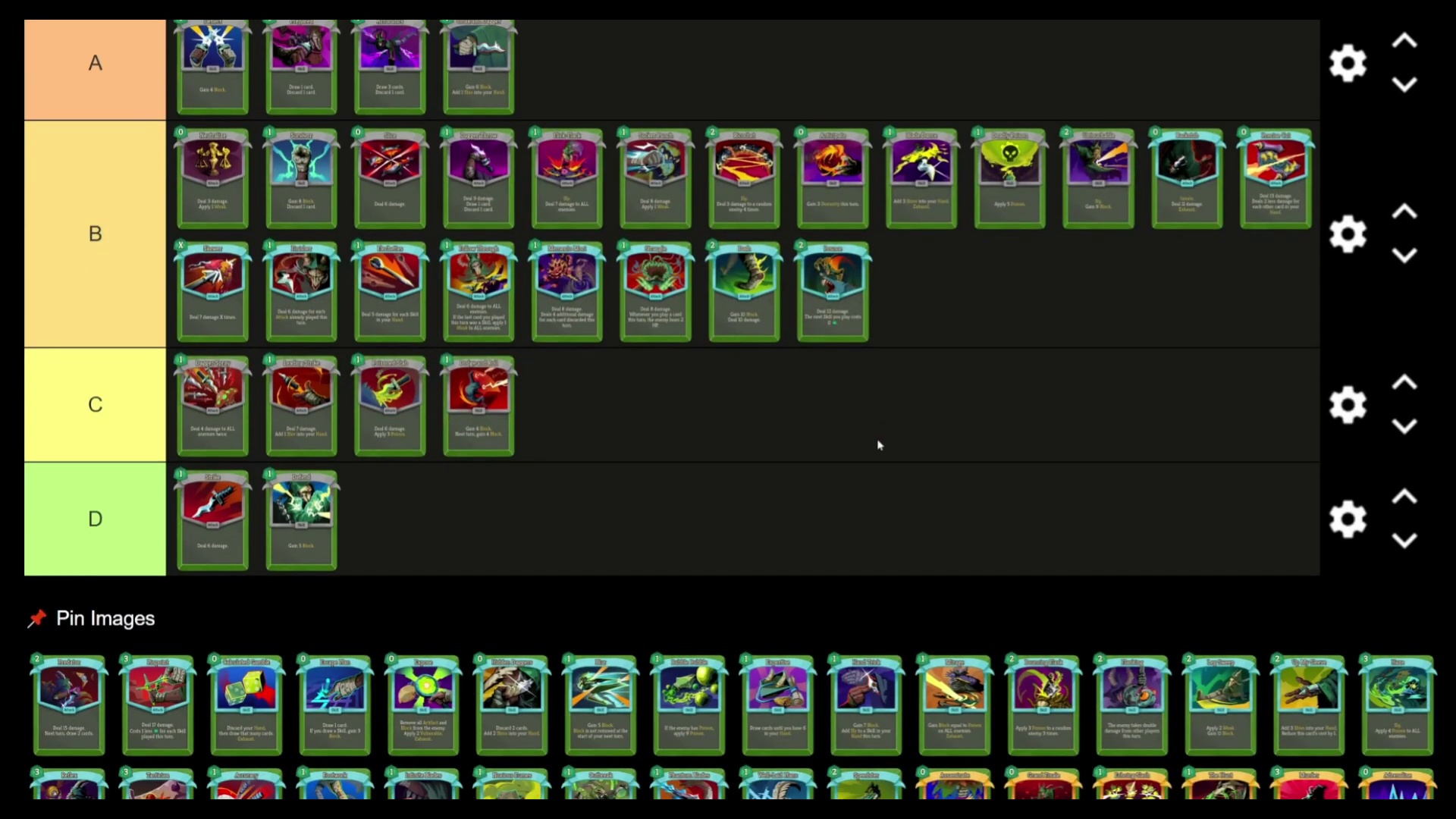
- Separate immediate tempo cards from engine payoff cards.
- Mark cards that need draw, discard, poison, or shiv density before they are safe.
- Use every-card footage to queue future Silent card database pages.
Bad starts are the best Silent recovery evidence
A worst-start Silent run is valuable because it shows how the character recovers before the engine is online. The page should capture the first stabilizing decision: a plain attack, a block card, a potion, a safer route, or a skip that keeps the deck from becoming slower.
- Record the first choice that stops HP loss from snowballing.
- Treat recovery footage as stronger evidence than a clean high-roll opening.
- Link bad-start lessons into boss prep when the deck needs immediate survival.
God-tier runs still need ordinary-run caveats
A Silent god-tier run can show the ceiling, but it should not remove the page warnings. If the run needed rare relics, perfect draw density, or a lucky route, the guide should say so. The useful lesson is what made the engine reliable, not just that the final deck was absurdly strong.
- List the reliability pieces before showing the payoff.
- Avoid raising a build recommendation from one perfect run.
- Use ceiling runs to identify what future build pages need to prove.
S-tier Silent builds need matchup proof
A build can look S-tier when the engine is finished, but Silent pages should check the fights that happen before the payoff. The guide should record whether the deck has enough early attack, block, and draw access to survive elites and bosses when the key payoff is late.
- Ask which matchup proves the build is more than a highlight.
- Separate engine payoff from the cards that keep the run alive.
- Mark build confidence lower when the clip skips early-route pressure.
Act 1 Silent walkthroughs become route rules
A fully explained Silent Act 1 run is useful because it shows the decisions that happen before any finished engine exists. The page should turn those moments into route rules: when to take an attack, when to protect HP, when to skip, and when the deck can afford a slower payoff card.
- Capture the first attack, block, skip, and upgrade decisions.
- Explain when a familiar Silent payoff is too slow for Act 1.
- Link route rules into returning-player and boss-prep pages.
Silent card reviews should create missing card pages
Part-one Silent card review footage should become a database work queue. Cards mentioned repeatedly need future detail pages, cards with unclear support requirements need deck-state notes, and cards that look patch-sensitive should point back to the patch tracker.
- Queue missing Silent card pages from repeated review mentions.
- Write support conditions before adding a card to simple pick-order advice.
- Route patch-sensitive cards to tracker notes before changing rankings.
Infinite Silent builds need failure checks
Infinite-build footage is high-value for search, but the guide should be careful about how it presents the line. The useful question is not whether the infinite works when assembled; it is how often the deck reaches the loop, what fights punish the setup, and what backup plan exists when one piece is missing.
- List the required loop pieces before calling the build easy.
- Explain how the deck survives before the infinite is online.
- Mark the build as high ceiling until repeated runs prove consistency.