Versioned tier list
Slay the Spire 2 Character Tier List
A returning-player character ranking that separates beginner comfort, expert ceiling, route safety, and patch confidence.
Ranking comfort is not the same as ranking ceiling
Character tier footage should be interpreted through the reader profile. Returning players often need a stable first focus more than the highest theoretical ceiling. A character can rank high for learning value if the early decisions are readable, even when another character has stronger late-run highlights after the engine is solved.
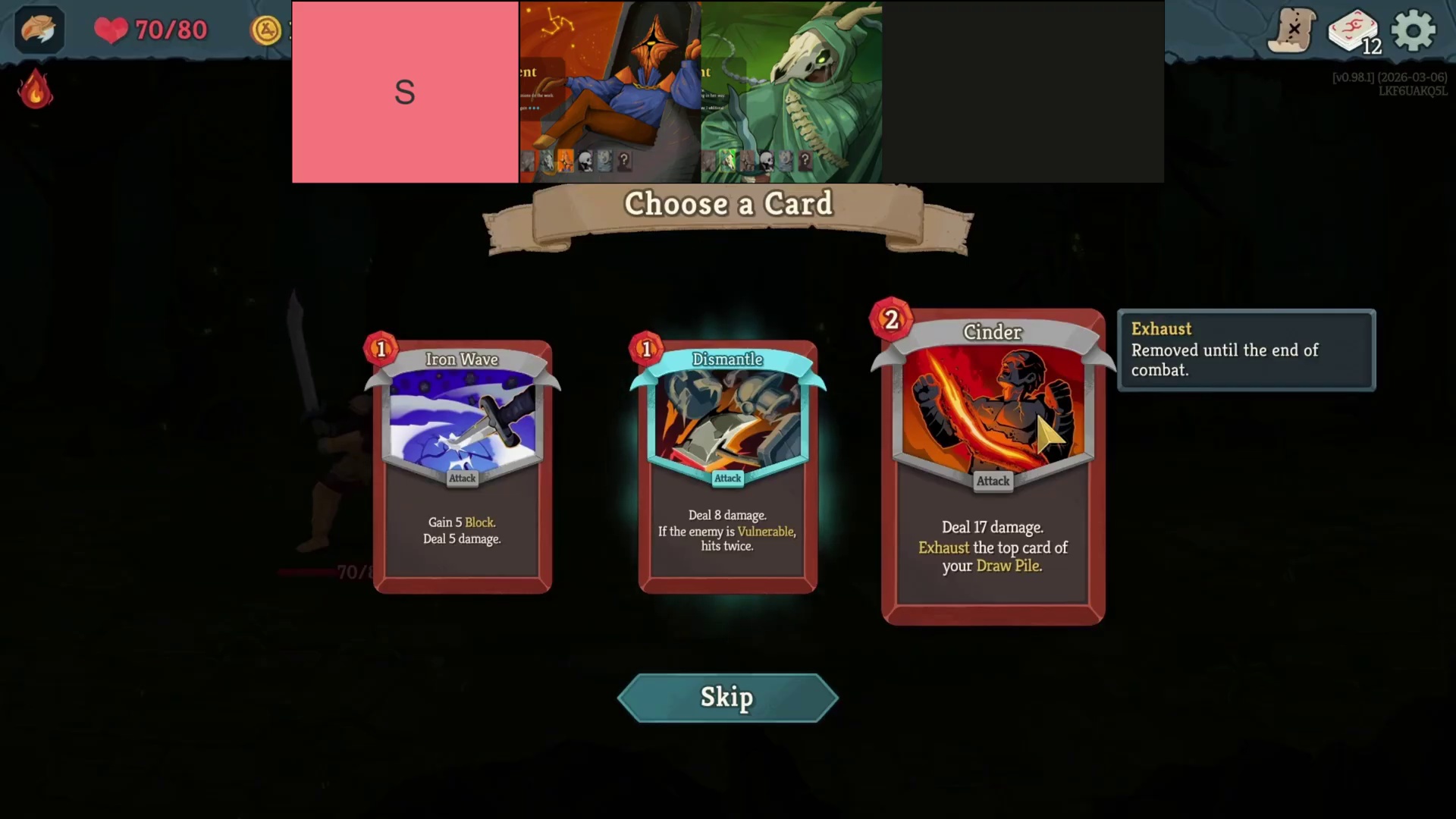
- Use Ironclad and Silent as returning-player baselines before ranking new systems.
- Score Necrobinder and Regent with extra confidence labels until more patch footage is reviewed.
- Do not let one highlight run override a character page unless the decision pattern repeats.
Ranking claims need combat context
A character ranking is stronger when the footage shows how that character survives ordinary turns, not only where the creator placed them on a tier board. When a class-tier video cuts to combat, use that frame to ask why the placement might be repeatable: does the character stabilize with common cards, does the build survive bad draw, and does the run still make sense before the payoff appears?

- Attach each ranking movement to a visible survival or payoff pattern.
- Use generic class-tier footage as a review queue before changing live rankings.
- Keep beginner comfort, high-ascension ceiling, and patch confidence as separate scores.
Beginner-edition rankings need learning labels
A beginner character tier list should not replace the main tier list. It should answer a different question: which character teaches the cleanest first decisions, which one punishes missed resource timing, and which one gives returning players enough familiar structure to relearn the sequel without drowning in new systems.
- Keep beginner comfort separate from maximum power.
- Use Ironclad as the clearest baseline for returning-player learning speed.
- Mark new-system characters as higher effort even when their ceiling is strong.
Beginner and expert weighting are separate scores
This page weights two reader intents at the same time. Beginner weighting asks whether the character creates clear first-act choices, readable upgrade priorities, and forgiving recovery from bad rewards. Expert weighting asks whether the character can turn strong drafts, relic support, and precise routing into a higher ceiling. A character can be recommended for one lane without being solved in the other.
- Raise beginner comfort when the first act teaches repeatable damage, block, and upgrade rules.
- Raise expert ceiling only when advanced lines still explain their setup cost and failure points.
- Treat low confidence as a request for more evidence, not as proof that a character is weak.
Boss and pathing pressure can move a character
Character strength is route-sensitive. A character that looks easy in ordinary fights can still deserve a lower confidence label if the deck often reaches the first boss without enough damage, block, or scaling. A character that looks complex can move up when its tools reliably create safer elite paths, stronger shop decisions, or better boss windows after the deck stabilizes.
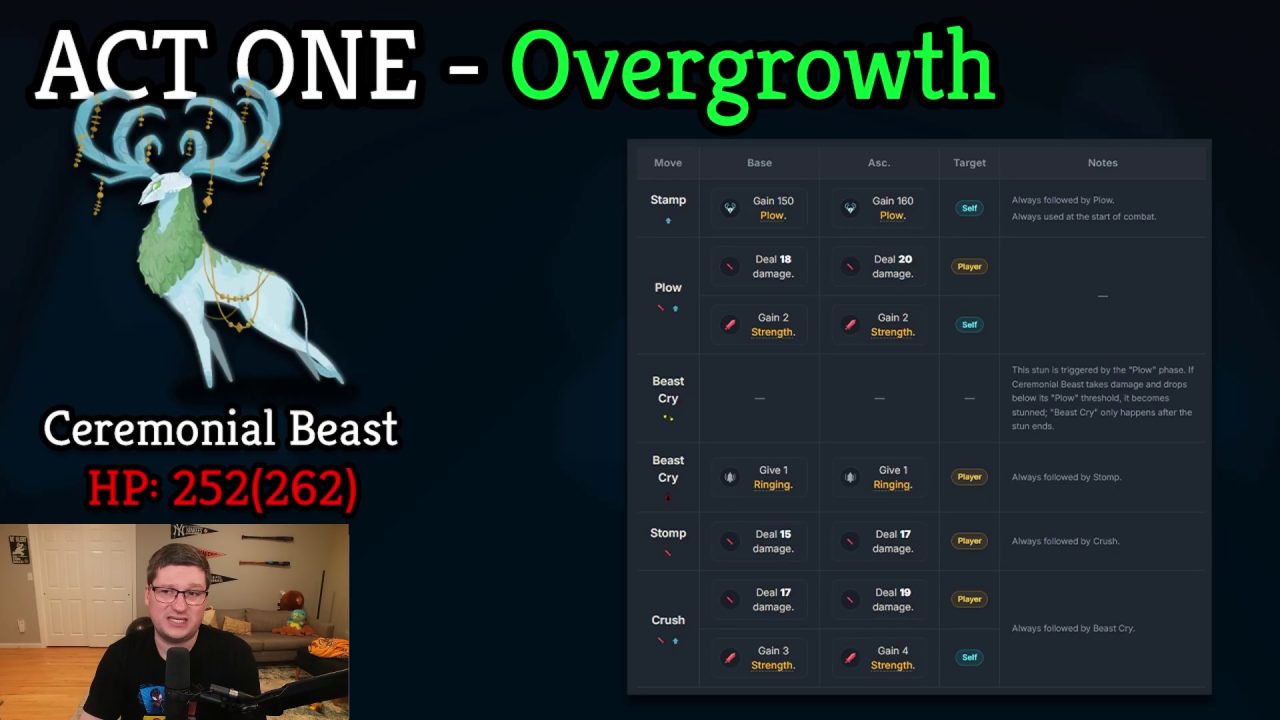
- Act 1 rankings favor characters that solve damage and block before the first boss.
- Elite-heavy routes reward characters with reliable bad-hand recovery, not only high-roll damage.
- Late-run rankings should mention scaling and matchup safety before raising a ceiling claim.
Early Access rankings need volatility labels
Every character placement is patch-aware. Early Access can change card support density, relic timing, boss pressure, and even how familiar returning-character habits translate. For that reason, the tier letter is only the first layer. The confidence label tells readers whether the current recommendation is supported by repeated visible patterns or still waiting for more direct footage.
- Do not move a character only because one run produced a clean highlight.
- Update the reason for movement when a patch changes support density or fight pressure.
- Keep Regent and Defect conservative until direct sequel evidence is stronger.
How to use this character tier list
Start with the run goal. If you want the cleanest returning-player path, read the A tier as a first-focus recommendation. If you are choosing a main character for testing, read the notes beside each character and follow the related guide pages before committing. If you are already comfortable with the sequel, use the rankings as a checklist for what must be proven: early tempo, boss safety, relic fit, and whether the deck still functions when rewards are awkward.
- Pick Ironclad or Silent when you want familiar decisions and faster feedback.
- Pick Necrobinder when you want to learn a sequel-specific system with more moving parts.
- Use Regent and Defect as watchlist characters until their current-patch support is clearer.
Duplicate tier takes still need a new reason
A second character tier-list video should not be treated as fresh evidence unless it adds a different comparison. Combat-backed tier overlays are useful when they show why two characters share a lane, why one is easier for returning players, or why a low-HP situation changes the confidence label.
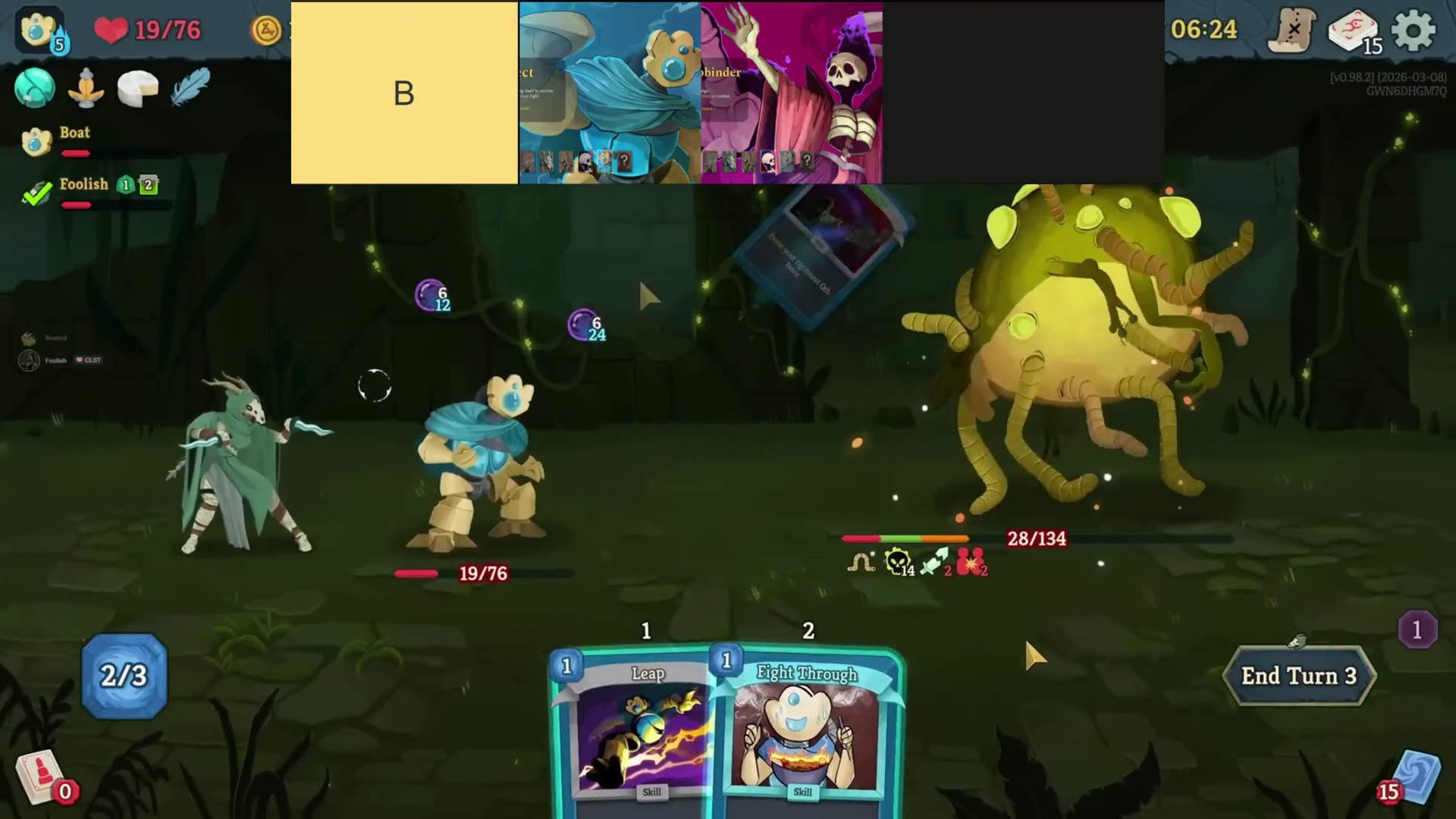
- Reject tier-list footage that only repeats a letter grade.
- Keep class comfort and combat survival evidence together.
- Use alternate ranking videos to identify missing character-page sections.
Every-character rankings should create page tasks
Broad every-character videos are useful because they reveal which classes readers will compare in one session. Instead of treating one ranking as final, convert it into page work: which character needs a stronger starter section, which one needs a patch warning, and which one needs more boss-matchup proof before the tier label changes.

- Use comparison videos to update internal links between character pages.
- Create follow-up tasks when a character ranking depends on a single patch claim.
- Prioritize pages where searchers are likely choosing their next run, not only reading tier letters.
Methodology
- Score beginner comfort by first-act clarity, upgrade readability, and how well the character recovers from awkward rewards.
- Score expert ceiling separately from beginner comfort, and require setup notes before treating a high-roll run as repeatable.
- Use boss, elite, and pathing pressure as ranking inputs instead of judging only final-deck screenshots.
- Keep Early Access volatility visible: patches can change support density, relic timing, and matchup pressure.
- Mark new-character and returning-character sequel claims with conservative confidence until repeated current-patch footage agrees.
- Link each character to cards, relics, builds, and boss-prep pages before turning a tier letter into advice.
- Prefer stable decision rules over exact numeric claims the site cannot verify yet.
Best first focus and active learning lane
Characters that give returning players clear learning value while still offering enough ceiling for deeper testing.
Watchlist until current-patch support is clearer
Characters that deserve database pages now, but whose ranking should stay conservative until more direct evidence is reviewed.